
TROTY Fitness Tracker
4.7Editor score
Affordable entry-level price
Multiple sport modes
Clear AMOLED display
Finding the right fitness tracker for tennis players requires more than just step counting. You need precise motion tracking durable build quality and reliable battery life to withstand intense matches and daily training sessions on the court.
We compared ten leading models based on heart rate accuracy sport modes durability and overall user experience. Our analysis focuses on devices that can handle the unique physical demands of tennis including quick stops starts and lateral movements.
Each pick highlights key strengths and tradeoffs to help you choose wisely. Prices and availability change frequently so check current listings before purchasing to ensure you get the best value for your specific training needs and budget.
4.7Editor score

4.0Editor score

4.2Editor score
As an Amazon Associate we earn from qualifying purchases.
The following table provides a side-by-side view of key specifications across all ten models to help you compare features at a glance.


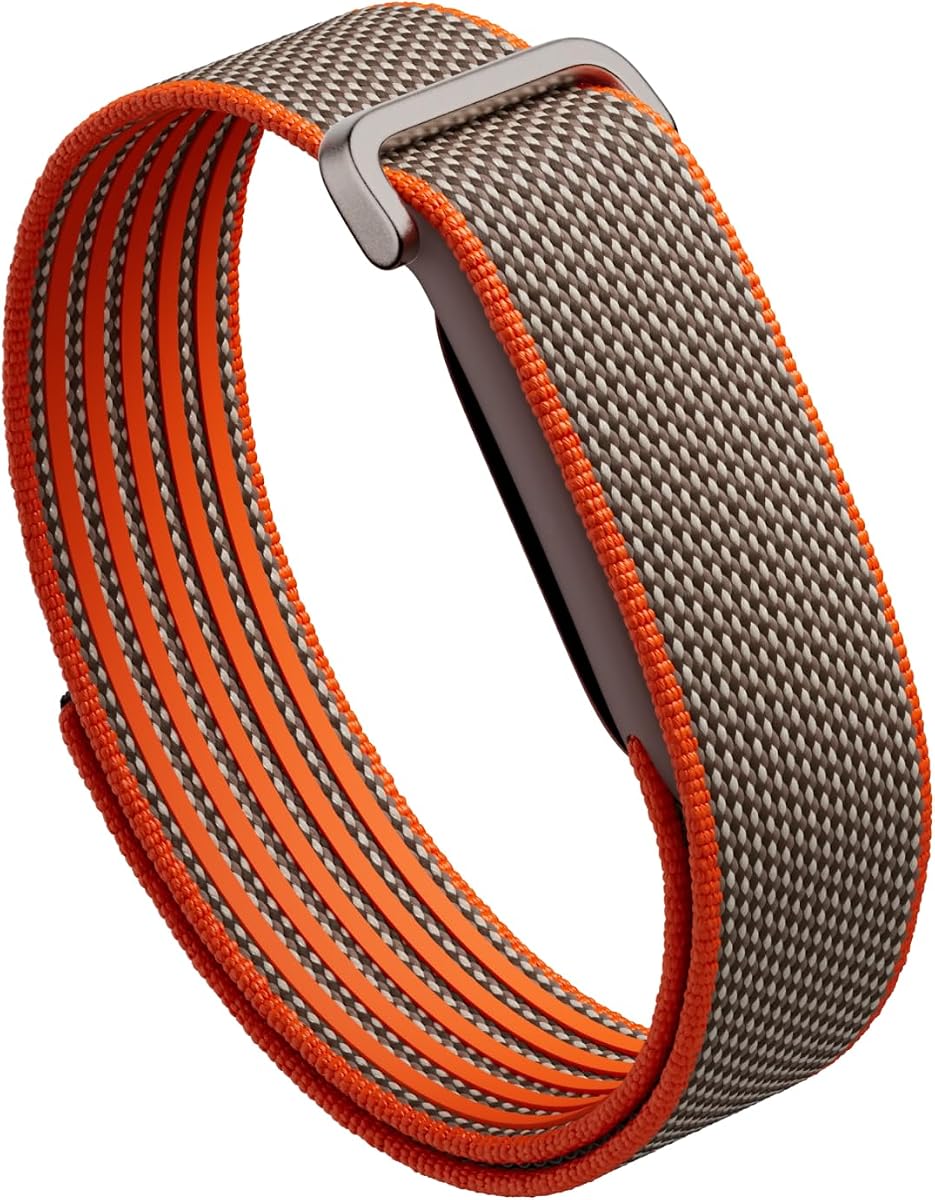



This smart watch fitness tracker offers an impressive array of features at a budget-friendly price point. With a 4.2 rating it stands out for its vibrant display and extensive health monitoring capabilities that appeal to casual and serious players alike.
We may earn a commission when you buy through this link, at no additional cost to you.
It tracks over 120 exercise modes which includes specific settings for court sports allowing detailed performance metrics. The 24/7 heart rate and blood oxygen monitoring provide continuous insights while the sleep tracking helps you understand recovery needs after intense matches.
The device connects to your phone for call and message notifications ensuring you stay informed without distractions. However the app ecosystem is less robust compared to premium brands and some health metric accuracy may vary slightly depending on skin tone or fit.
For tennis players seeking an affordable entry into smart tracking with solid daily monitoring this model delivers excellent value. It balances core fitness functions with modern convenience features making it a practical choice for daily wear and training sessions.
The 1.58 ultra-high resolution display ensures clear visibility outdoors while full touch controls enable seamless app switching and settings adjustment.
Beyond fitness it offers water reminders and weather updates which help maintain hydration and prepare for outdoor court conditions effectively.
We may earn a commission when you buy through this link, at no additional cost to you.
The Fitbit Inspire 3 is a sleek tracker focused on holistic health and readiness. Its 4.2 rating reflects strong performance in sleep and stress metrics which are vital for athletes managing heavy training loads.
We may earn a commission when you buy through this link, at no additional cost to you.
It introduces the Daily Readiness Score which helps you decide whether to push hard or recover based on sleep and heart rate variability. Active Zone Minutes keep you motivated to hit intensity targets during workouts and the stress score adds valuable recovery context.
While it lacks built-in GPS it relies on connected GPS via your phone for route tracking. Premium features like advanced sleep analysis require a subscription which might be a drawback for some users seeking full data access without extra costs.
Ideal for players who prioritize recovery and general wellness over standalone GPS tracking this device offers a balanced approach to fitness. Its light weight and comfort make it suitable for 24/7 wear including sleep and match days.
Automatic sleep tracking and daily Sleep Scores help you understand rest quality to optimize training schedules and prevent overtraining effectively.
Mindfulness sessions and relax breathing modes help reduce stress levels during busy tournament periods or intense practice weeks.
We may earn a commission when you buy through this link, at no additional cost to you.
The Fitbit Charge 6 combines advanced tracking with Google services making it a top choice for tech savvy athletes. With a 4.0 rating it delivers precise GPS and health metrics essential for structured tennis training and match performance analysis.
We may earn a commission when you buy through this link, at no additional cost to you.
Its built-in GPS allows for accurate route tracking without carrying your phone which is useful for on court sprints or outdoor running drills. YouTube Music controls and Google Wallet add convenience while stress management scores and sleep insights support overall well-being.
Battery life is decent but not class leading especially with continuous GPS use during long sessions. Some users may find the premium subscription required for certain advanced features adds to the total cost of ownership over time.
For players wanting reliable standalone GPS plus robust health tracking and smart features this device is a strong contender. It bridges the gap between pure fitness trackers and smartwatches effectively supporting diverse athletic needs.
Built-in GPS with turn-by-turn directions ensures you stay on track during warm-up runs or outdoor cardio without needing a phone.
Google Wallet and YouTube Music controls provide seamless daily convenience while comprehensive health data supports long-term fitness planning.
We may earn a commission when you buy through this link, at no additional cost to you.
The Fitbit Air offers a unique screenless approach focusing purely on health data without visual interruptions. Its 4.3 rating highlights strong battery performance and comfort which are crucial for players wanting continuous tracking without extra weight.
We may earn a commission when you buy through this link, at no additional cost to you.
With no screen to distract you the device moves seamlessly from workout to sleep mode providing accurate 24/7 metrics. Advanced sensors and algorithms deliver precise health insights while the micro-adjustable fit ensures a secure and comfortable wear during active play.
Checking data requires opening the app which means instant feedback during exercise is limited. Fast charging helps mitigate downtime but those used to glanceable stats may find the workflow less intuitive initially.
Ideal for users who prefer minimalism and long battery life this tracker excels in unobtrusive monitoring. It suits players focused on consistent habit formation and data review after sessions rather than real-time on wrist feedback.
The lightweight micro-adjustable band ensures a secure and comfortable fit for all-day wear without causing irritation during active play.
Battery lasts up to a week with fast charging providing a day of life in just five minutes to keep you consistently tracked.
We may earn a commission when you buy through this link, at no additional cost to you.
WHOOP 5.0 targets serious athletes with science-backed recovery and strain tracking. Its 4.2 rating reflects strong performance in healthspan metrics and personalized coaching that help users optimize long-term health and performance.
We may earn a commission when you buy through this link, at no additional cost to you.
The system monitors heart rate every second to deliver daily Recovery and Strain scores guiding training decisions. It also tracks Healthspan and Pace of Aging providing insights into long-term wellness. The screenless design ensures zero distractions during intense matches.
A mandatory monthly membership is required which adds to the overall cost. While the device is HSA/FSA eligible the recurring fees may not fit every budget especially for casual players seeking basic tracking functions.
For elite athletes or those committed to optimizing recovery this tracker offers unmatched depth. It suits players willing to invest in detailed performance science and coaching to maximize their training outcomes consistently.
Daily Recovery and Strain scores use heart rate variability to guide whether you should push hard or rest on any given day.
Healthspan measures your WHOOP Age and Pace of Aging so you can take science-backed action to extend your prime years.
We may earn a commission when you buy through this link, at no additional cost to you.
The TROTY Fitness Tracker delivers exceptional value with core tracking features at a low cost. Its 4.7 rating highlights strong user satisfaction regarding display quality and basic functionality for daily activity monitoring.
We may earn a commission when you buy through this link, at no additional cost to you.
It offers 25 sport modes including options for court sports enabling detailed activity records. The 1.10 inch AMOLED screen ensures clear visibility and a range of watch faces personalize the look. Sleep tracking includes deep and light stages to aid recovery insights.
Navigation is basic and the companion app provides essential data without advanced analytics. Some users may find syncing less intuitive than premium brands but the core tracking remains reliable for general fitness and tennis routines.
Perfect for budget-conscious players seeking essential tracking this device balances cost and features well. It suits those who want clear visuals and basic health insights without paying for complex smartwatch capabilities.
The 1.10 inch AMOLED HD touchscreen offers vibrant colors and clear data visibility even during active workouts.
Record daily health data including steps distance and calories through the Keep Health app for comprehensive activity insights.
We may earn a commission when you buy through this link, at no additional cost to you.
The vívoactive 5 offers a bright AMOLED display and impressive battery life making it suitable for extended training weeks. With a 4.3 rating users appreciate its Body Battery energy monitoring and detailed sleep coaching features.
We may earn a commission when you buy through this link, at no additional cost to you.
Body Battery helps you understand energy levels based on stress sleep and activity so you can adjust intensity accordingly. It includes over 30 indoor and GPS sports apps covering tennis and cross training. Nap detection adds granular recovery insights for busy days.
The watch supports offline music storage which is great for phone-free listening during workouts but requires initial setup via paired devices. Users with smaller wrists might prefer the 42mm size but larger hands may find controls slightly tight.
Ideal for players valuing battery longevity and energy insights this smartwatch combines fitness and daily features effectively. It supports diverse workout needs while keeping charging intervals manageable for regular use.
Body Battery energy monitoring helps you understand when you are charged up or need to rest based on sleep stress and workouts.
Automatic nap detection and logging tracks length and impact on energy so you optimize daily rest periods effectively.
We may earn a commission when you buy through this link, at no additional cost to you.
The Amazfit Active Max stands out for its ultra-bright screen and exceptional battery endurance. With a 4.5 rating it appeals to users seeking high visibility outdoors and long intervals between charges.
We may earn a commission when you buy through this link, at no additional cost to you.
Its 3000-nit AMOLED display ensures data is readable even in harsh sunlight which is useful for outdoor practice. Offline maps with turn-by-turn directions help you navigate routes without constant phone reliance. Bluetooth calling allows hands-free communication during sessions.
While battery life reaches up to 25 days frequent GPS use can reduce this significantly. The companion app offers deep insights but may have a learning curve for new users adjusting to its features and settings.
Best for players needing bright displays and map features this watch balances smart capabilities with long endurance. It supports both daily health tracking and route-based training effectively.
See data clearly on the 1.5 ultra-bright AMOLED display with offline maps for navigation when you are out on the court.
Bluetooth calls and Zepp Coach personalized plans let you train smarter and stay connected without stopping your activity.
We may earn a commission when you buy through this link, at no additional cost to you.
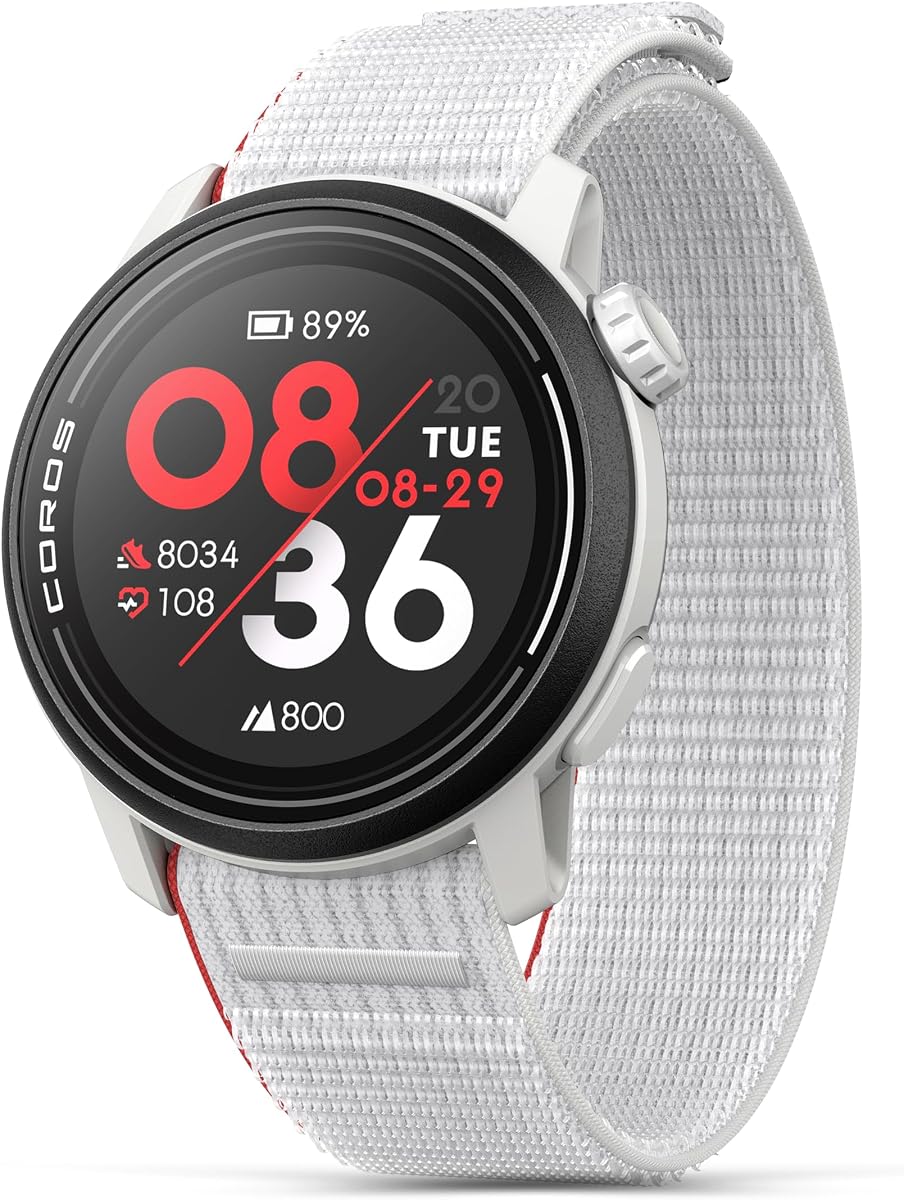
The COROS PACE 3 is designed for endurance with a featherweight 30g build. Its 4.2 rating highlights strong GPS accuracy and battery performance which are essential for long training sessions and competitions.
We may earn a commission when you buy through this link, at no additional cost to you.
Dual-frequency GPS ensures accurate tracking even in dense urban areas or near tall structures. It supports up to 38 hours of continuous GPS tracking and includes route planning with Breadcrumb navigation to keep you oriented. Always-on touchscreen is customizable for activity modes.
Music storage is limited compared to smartwatches and touchscreen sensitivity may vary with gloves or sweaty hands. Navigation requires syncing routes via the app which may be less convenient for spontaneous sessions.
Ideal for players prioritizing GPS accuracy and minimal weight this watch excels in endurance sports. It balances performance and comfort for athletes who need precise tracking during varied outdoor activities.
Dual-frequency GPS keeps tracks accurate in high-rise cities while Breadcrumb navigation helps you stay on track during routes.
Weighing only 30g with an 11.7mm profile it merges ultra-slim design for 24/7 distraction-free comfort during wear.
We may earn a commission when you buy through this link, at no additional cost to you.
The Forerunner 165 blends AMOLED visuals with adaptive training plans. Its 4.6 rating reflects strong user satisfaction regarding daily suggested workouts and recovery tracking which support consistent improvement.
We may earn a commission when you buy through this link, at no additional cost to you.
Personalized daily workouts adapt based on performance and recovery helping you progress efficiently. Morning reports provide a sleep recovery and training overview upon waking. Training effect labels clarify the primary benefit of each session to guide future efforts.
Safety features like incident detection send location to contacts when needed. Music storage is limited compared to other models which may affect phone-free listening preferences during intense matches or runs.
Perfect for athletes seeking structured guidance this watch offers a clear path to progress. It suits runners and tennis players who want actionable recovery and performance insights.
Reach your goals with personalized daily suggested workouts that adapt based on your performance and recovery status.
As soon as you wake up get your morning report with an overview of your sleep recovery and training outlook.
We may earn a commission when you buy through this link, at no additional cost to you.
Selecting the right device involves balancing tracking accuracy battery life and smart features tailored to tennis demands.
Tennis involves quick bursts and lateral movements so look for trackers with dedicated sport modes and advanced algorithms that detect intervals accurately. Models with automatic exercise tracking reduce the need to start manual sessions during match play.
Prioritize devices that support activity logging with specific court sports profiles for detailed performance analysis.
Continuous heart rate monitoring helps you gauge intensity and recovery needs. Features like heart rate zones ensure you train at the right effort levels while HRV and stress tracking inform when to rest.
Check for 24/7 monitoring and integration with health apps to visualize trends over time.
Built-in GPS eliminates the need to carry your phone for warm up runs and track distance accurately. Dual-frequency GPS offers better accuracy in urban settings or around large structures commonly found near courts.
Ensure the watch supports offline maps or turn-by-turn directions if you plan outdoor runs between sessions.
Long battery life reduces charging interruptions during training weeks. Aim for at least 7 to 10 days in smartwatch mode with fast charging options for quick top-ups before matches.
Consider battery drain when using GPS or music features to plan charging schedules effectively.
Bright AMOLED or transflective displays ensure data is readable under sunlight during outdoor practices. Touchscreens should be responsive even with sweat or gloves for seamless interaction.
Look for adjustable brightness and always-on options to minimize distractions while checking stats.
Lightweight designs with breathable bands enhance comfort for all-day wear including sleep. IP68 waterproofing or higher ratings protect against sweat and rain during intense workouts.
Check band materials and adjustment mechanisms to ensure a secure fit during lateral court movements.
Call message and calendar notifications help you stay connected without disrupting training. Music controls and contactless payments add convenience for post-match activities or errands.
Balance smart features with battery impact to avoid constant charging cycles during busy periods.
Robust apps provide detailed insights into trends and recovery. Look for compatibility with third party services like Strava to integrate broader fitness data into your routine.
Ensure the platform offers coaching features or personalized feedback to adapt training over time.
Place the device snugly on your wrist just above the wrist bone for accurate readings. Ensure the sensors contact skin without excessive tightness to prevent irritation during movement.
Sync data regularly with the companion app to review sleep heart rate and activity summaries. Calibrate settings to reflect your training goals and preferences for personalized feedback.
Clean the tracker and band with mild soap and water after sweaty sessions. Charge the device using the provided cable and avoid submerging it beyond its rated waterproof limits.
Many modern trackers include sport modes that detect intensity and movement patterns specific to tennis. Look for models with automatic exercise tracking and wrist-based heart rate for accurate effort and heart analysis.
Built-in GPS is useful for tracking warm-up runs and distance but indoor tennis sessions can rely on accelerometer data. Choose based on your need for outdoor route tracking versus court-based activity logging.
Most fitness trackers last between 7 to 14 days in smartwatch mode but GPS and music features can reduce this. Check product specs for continuous GPS ratings to plan charging around match schedules.
Lightweight designs with breathable bands ensure comfort for 24/7 wear including sleep. Select silicone or micro-adjustable straps for secure fit and easy cleaning after sweaty sessions.
Yes most models offer multiple sport modes for running cycling and strength training. Ensure the device supports cross-training needs to maintain accurate metrics across your varied fitness routine.
Sleep tracking uses movement and heart rate patterns to identify sleep stages and overall quality. While not medical grade it provides useful insights for optimizing rest and recovery between training.
Heart rate HRV and recovery scores help gauge exertion and readiness. Track resting heart rate and sleep trends to detect signs of fatigue and adjust training intensity accordingly.
Yes most fitness trackers pair with iOS and Android phones for notifications and data syncing. Verify compatibility with your operating system to ensure seamless connection and app functionality.
We reviewed ten top fitness trackers offering various strengths from GPS accuracy to battery longevity. Whether you need detailed recovery insights or basic tracking the selected models cover a wide range of athletic needs.
Focus on features that align with your training intensity and lifestyle such as heart rate zones GPS and battery life. Prioritize comfort and durability to ensure consistent wear during daily practices and matches.
Check current pricing and availability as models and deals update frequently. Choose the device that best supports your goals to enhance performance and track progress effectively over time.