
Dell Precision 7680 Laptop
4.3Editor score
NVIDIA RTX 1000 Ada GPU
Intel Core i5-13600HX
32GB DDR5 RAM
Interior designers require powerful machines to handle complex 3D modeling, rendering, and detailed drafting tasks efficiently. A suitable laptop ensures smooth workflow without lag during critical design phases or client presentations.
We evaluated top models based on processor speed, graphics capabilities, screen accuracy, and overall build quality. Our analysis focuses on devices that balance high-end performance with portability for modern design studios.
Each pick highlights specific strengths like color accuracy or multitasking power. Prices fluctuate frequently, so verify current deals before purchasing to ensure you get the best value for your professional needs.
4.3Editor score

4.1Editor score

4.4Editor score
As an Amazon Associate we earn from qualifying purchases.
This side-by-side comparison highlights key specifications across ten top-tier laptops tailored for design professionals. Review the data to find the machine that aligns with your specific workflow requirements.


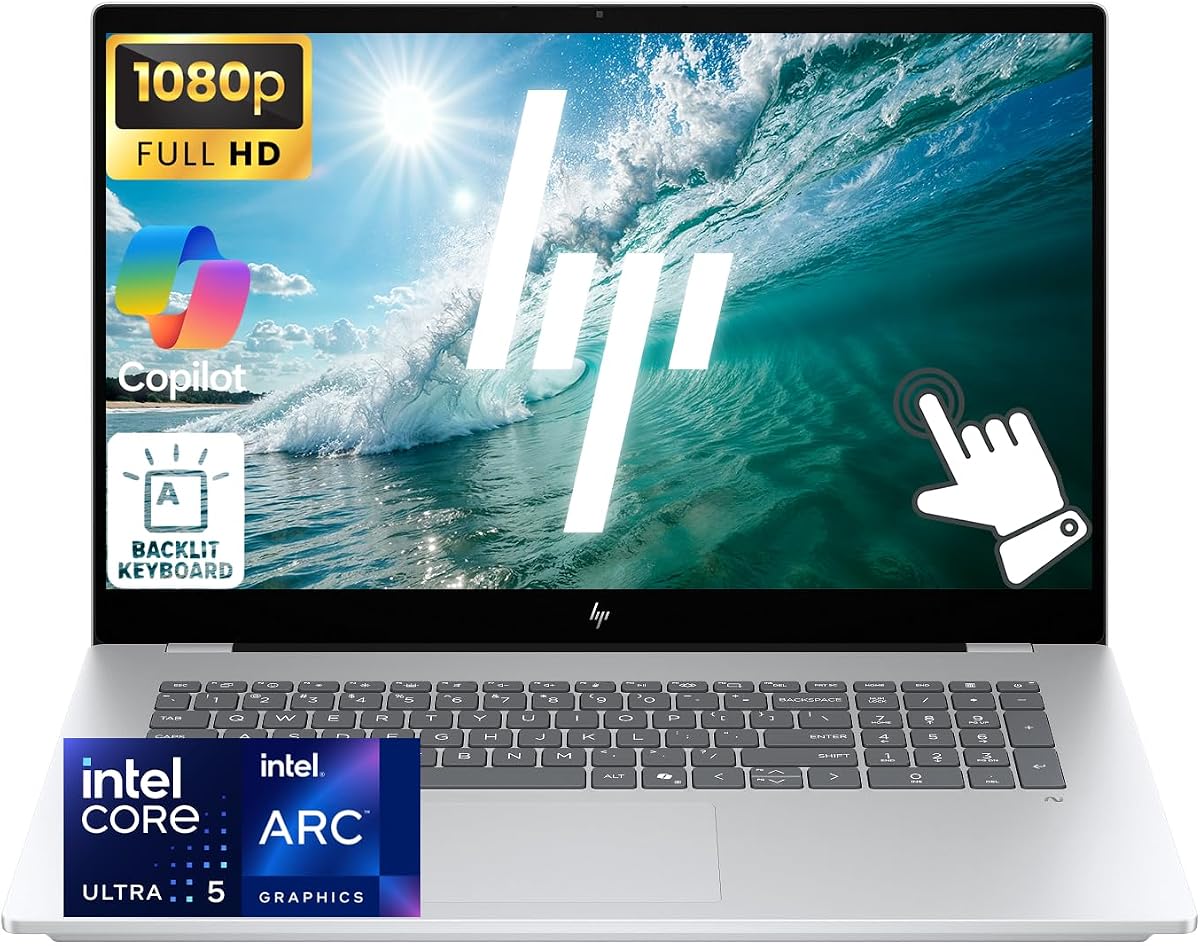


This HP ZBook model stands out with robust specifications tailored for demanding design workflows. Its combination of high-speed processing and dedicated graphics ensures smooth operation during complex rendering tasks.
We may earn a commission when you buy through this link, at no additional cost to you.
The 64GB DDR5 RAM allows you to run multiple design applications simultaneously without slowdown. Integrated AI features enhance productivity by optimizing system performance for key professional tools effectively.
While the price is higher than standard laptops, the reliability and performance justify the investment. The touchscreen interface offers intuitive interaction for sketching and reviewing detailed architectural plans.
Ideal for professionals needing desktop-level power in a portable form factor. Choose this if you prioritize processing speed and memory capacity above all else for your studio work.
The massive RAM allows seamless switching between CAD tools and browser research without system lag.
The FHD+ touchscreen ensures vibrant color representation crucial for accurate interior material selection.
We may earn a commission when you buy through this link, at no additional cost to you.
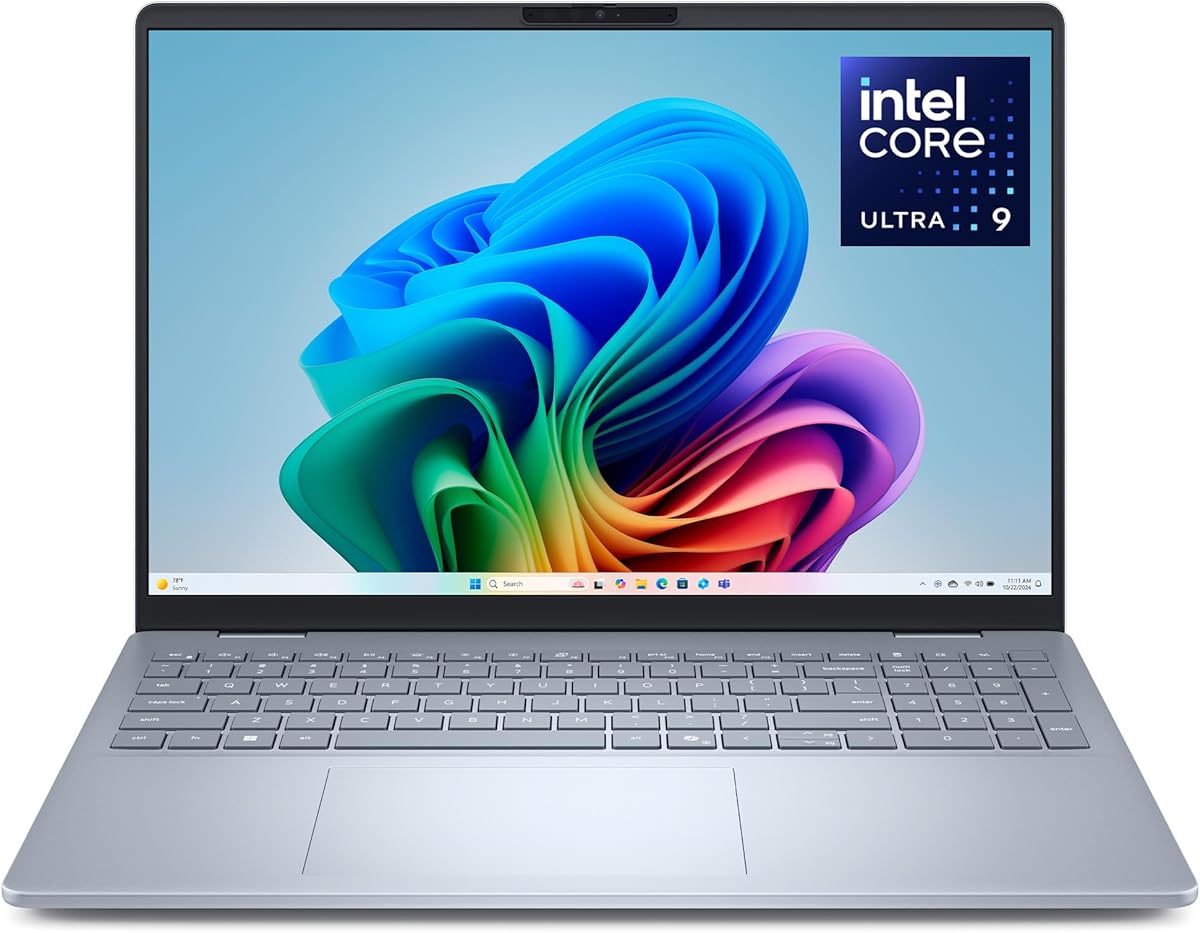
The Dell Precision 7680 is a powerhouse designed for high-end workstation tasks. Its Intel i9 processor delivers exceptional speed for rendering and simulation work required in professional settings.
We may earn a commission when you buy through this link, at no additional cost to you.
With 32GB DDR5 RAM, you can handle large project files and multiple tabs easily. The system supports up to three external monitors for expanded workspace configurations during detailed design reviews.
The build quality ensures durability for daily use in busy studios. Security features like BitLocker keep sensitive client data protected across all your professional devices securely.
Buy this laptop if raw performance is your top priority. It serves well for designers who prioritize processing power over lightweight portability options.
The i9 processor handles heavy computational tasks without slowing down your creative workflow.
Multiple ports allow easy connection to printers and secondary displays for broader design views.
We may earn a commission when you buy through this link, at no additional cost to you.
This variant of the Precision 7680 offers a balance of cost and professional capability. It includes dedicated graphics which is essential for rendering visual projects efficiently.
We may earn a commission when you buy through this link, at no additional cost to you.
The 32GB RAM ensures smooth multitasking even with heavy design software running. It is a reliable choice for users needing workstation features without the absolute highest price tag.
Durability is maintained with MIL-STD testing for reliability in different environments. The keyboard layout supports long typing sessions with a numeric keypad for data entry tasks.
Select this model for budget-conscious professionals needing dedicated graphics power. It represents strong value for those starting their studio or upgrading from older consumer hardware.
The RTX GPU provides necessary acceleration for rendering complex 3D interior models.
Thunderbolt ports ensure fast data transfer rates for large design asset libraries.
We may earn a commission when you buy through this link, at no additional cost to you.
The OmniBook 7 features a stunning OLED display ideal for color-sensitive design work. The 100% DCI-P3 coverage ensures accurate representation of colors for client presentations.
We may earn a commission when you buy through this link, at no additional cost to you.
The touch interface allows intuitive sketching and navigating detailed plans easily. The 120Hz refresh rate provides smooth scrolling through large project files without lag.
While the processor is strong for general tasks, it relies on integrated graphics. This makes it best for 2D design and documentation rather than heavy 3D rendering work.
Choose this if visual fidelity is your main concern. The screen quality alone justifies the price for designers focused on layout and color accuracy.
The OLED panel delivers deep blacks and vibrant colors for precise interior design work.
Touch functionality makes sketching concepts and navigating menus significantly easier.
We may earn a commission when you buy through this link, at no additional cost to you.
This model is distinguished by its RTX 2000 Ada GPU offering significant graphics performance. The 8GB VRAM handles complex textures and detailed rendering tasks effectively.
We may earn a commission when you buy through this link, at no additional cost to you.
Storage is generous with 2TB space allowing you to keep many projects locally without external drives. The system is built for reliability and sustained heavy use in professional environments.
Users should be aware that performance depends on cooling and power limits. However, the hardware configuration is top-tier for handling intensive visual computing demands.
Buy this for advanced rendering and simulation needs. It is ideal for professionals working with heavy 3D models and real-time visualization.
The RTX 2000 Ada provides the horsepower needed for photorealistic interior renders.
2TB SSD ensures fast access to extensive libraries of textures and 3D assets.
We may earn a commission when you buy through this link, at no additional cost to you.
With 64GB of RAM, this laptop is built to handle the most demanding multitasking scenarios. It ensures that large datasets and multiple design tools run smoothly without slowdown.
We may earn a commission when you buy through this link, at no additional cost to you.
The RTX 2000 Ada GPU complements the memory with strong graphics performance. Users report high satisfaction with the system stability and professional build quality.
Support remains a priority with Dell providing assistance directly for components. This setup is ideal for engineers and designers needing maximum system resources.
Invest in this if you need absolute peak system memory capacity. It is perfect for those managing massive simulations alongside standard design workloads.
64GB RAM eliminates bottlenecks when running heavy rendering engines and design software simultaneously.
Original Dell hardware ensures consistent performance and longer service life for workstations.
We may earn a commission when you buy through this link, at no additional cost to you.
The 17.3-inch screen offers ample workspace for complex diagrams and multi-panel layouts. Its touchscreen interface makes navigating detailed plans intuitive and engaging.
We may earn a commission when you buy through this link, at no additional cost to you.
Despite the larger screen, the design remains relatively sleek for its class. The 16GB RAM suits general design work but may require upgrades for heavy multitasking needs.
Users praise the build quality and responsiveness of the device. It is a solid option for architects needing screen real estate for drafting and planning.
Choose this for those who prioritize screen size and usability. It fits well in studios where portability is secondary to visual workspace needs.
The large 17.3-inch display reduces the need for external monitors during detailed work.
Touch capabilities allow for natural interaction with design elements and interface menus.
We may earn a commission when you buy through this link, at no additional cost to you.
This model combines a high-resolution display with a sleek aluminum chassis for easy transport. The Core Ultra 9 processor delivers strong performance while maintaining cooler operation.
We may earn a commission when you buy through this link, at no additional cost to you.
The QHD+ screen provides sharp visuals for viewing detailed interior renderings. It is a great balance of mobility and performance for designers working on-site.
Efficiency is key with this device allowing for full day usage on a single charge. However, it lacks dedicated graphics which limits heavy 3D rendering capabilities.
Select this if you need to travel often with your laptop. It offers a modern design suitable for client meetings and remote work.
The QHD+ screen ensures clarity in architectural plans and high-fidelity images.
Advanced AI engines improve battery life and system responsiveness during daily tasks.
We may earn a commission when you buy through this link, at no additional cost to you.
Interior designers often transport laptops and portfolios to client sites needing reliable protection. This bag features a spacious interior padded to secure laptops from 13 to 17 inches.
We may earn a commission when you buy through this link, at no additional cost to you.
The quiet rolling wheels make navigating airports or offices effortless. Its chic design adds a professional touch suitable for high-stakes meetings and presentations.
Multiple pockets keep documents and accessories organized for quick access. This ensures all your tools are ready when you arrive for a design review.
Pair this bag with your preferred laptop for a complete solution. It protects your expensive equipment while maintaining a stylish professional appearance.
The durable padding and structured design protect your laptop from bumps during transit.
The faux leather and gold hardware create a sophisticated look for boardroom settings.
We may earn a commission when you buy through this link, at no additional cost to you.
This basic laptop serves students or those needing a lightweight secondary device for notes. The included Office Suite covers basic documentation and administrative tasks effectively.
We may earn a commission when you buy through this link, at no additional cost to you.
Storage is split between a fast SSD for system files and an external drive for data. It is a budget option for light work rather than intensive graphic design.
Portability is high with a small footprint and light weight. However, performance limits it for professional design rendering or heavy multitasking work.
Consider this for administrative roles or light planning tasks. It is a functional budget tool for those needing basic computing capabilities.
The package includes necessary accessories like a mouse and docking station for office use.
Low cost makes it accessible for entry-level users needing a reliable basic machine.
We may earn a commission when you buy through this link, at no additional cost to you.
Selecting the right laptop requires balancing performance specs with portability needs. Review these critical factors to match a device with your workflow requirements.
Interior design software like AutoCAD and Revit relies heavily on multi-core processors. Look for high clock speeds and at least 6 cores to ensure smooth operation.
Prioritize Intel Core i7 or i9 and AMD Ryzen 7 or 9 chips for optimal performance.
Dedicated GPUs significantly speed up rendering and 3D modeling tasks. Integrated graphics often struggle with complex scenes and large textures.
Choose models with NVIDIA RTX or AMD Radeon Pro GPUs for professional stability.
Design apps consume large amounts of RAM during multitasking. Less memory leads to lag and slow file loading times.
Aim for at least 32GB of DDR5 RAM to handle multiple browser tabs and design tools.
Color accuracy is vital for material selection and client approvals. Look for displays with high color gamut coverage like sRGB or DCI-P3.
Prioritize high-resolution screens with IPS panels for wider viewing angles.
Project files and asset libraries require fast storage to reduce load times. Mechanical hard drives are too slow for modern design workflows.
Opt for NVMe SSDs with at least 1TB capacity to store large projects locally.
Many designers visit sites or meet clients needing to transport their gear. Heavy workstations can be burdensome to carry daily.
Balance screen size with weight; 15 to 16 inches is a common sweet spot.
Working away from a power outlet requires long battery duration. High-performance components often drain power quickly.
Look for models rated for at least 6 hours of real-world usage.
You may need to connect external monitors or projectors for presentations. Limited ports can restrict your setup options.
Ensure the device has Thunderbolt 4, HDMI, or USB-C ports for flexibility.
To maximize performance set your power plan to high performance mode during rendering tasks. This ensures the processor and GPU run at full speed without throttling.
Keep your cooling vents clean by dusting them regularly to prevent overheating. High temperatures can reduce hardware lifespan and cause sudden shutdowns during work.
Use external hard drives to archive old projects and keep storage free. Regularly update your drivers to ensure compatibility with the latest design software updates.
Yes, most professional design tools like AutoCAD and Revit benefit greatly from dedicated graphics cards. Integrated graphics may work for 2D drafting but struggle with 3D rendering. A dedicated GPU ensures smoother interaction with complex models.
While 16GB can handle basic tasks, it may be insufficient for heavy multitasking. Professional workflows often involve running multiple apps alongside browser research. 32GB is recommended to future-proof your device.
Windows remains the standard for most professional design software due to compatibility. Mac is also viable if you use software like Vectorworks. Ensure your chosen OS supports your specific CAD tools.
Color accuracy ensures that the digital design matches physical materials and client expectations. Inaccurate screens lead to costly errors in production and printing. Look for high color gamut coverage.
A touchscreen offers intuitive navigation for sketching and reviewing plans but adds to the cost. It is useful for designers who prefer direct interaction. Consider if it fits your workflow needs.
A 15 to 16-inch screen offers a good balance of workspace and portability. Smaller screens limit detail visibility while larger ones reduce mobility. Choose based on where you work most.
The HP ZBook 8 G1i and Dell Precision 7680 models stand out for their robust specifications and professional reliability. These devices offer the power needed for complex design workflows.
Prioritize processing power and graphics performance to ensure smooth operation across your software suite. Balance these specs with screen quality for accurate visual representation.
Remember to verify current pricing and availability as deals change frequently. Investing in the right hardware today ensures long-term productivity in your design career.