
Rokinon DSX85 DSX 85mm T1.5
4.7Editor score
Ultra Multi-Coated Glass
T1.5 to T34 Aperture
Compact Full Frame Design
This expert guide compares the top ten cine lenses for filmmakers seeking optical precision, build quality, and versatile mounts for professional video
Cine lenses are essential tools for filmmakers who demand precise optical performance and consistent color rendering across multiple shots. They offer smooth focus rings, de-clicked apertures, and robust construction designed for the rigorous demands of professional video production workflows.
We evaluated ten leading options based on optical sharpness, build quality, mounting versatility, and overall value. Our analysis considers focal length coverage, aperture range, and compatibility with various camera systems to ensure you find the right tool for your specific filmmaking needs.
Each product in this list highlights key features and real-world performance characteristics to help you make an informed decision. Please note that product availability and pricing may vary over time so always verify current details before finalizing your purchase decision today.
4.7Editor score
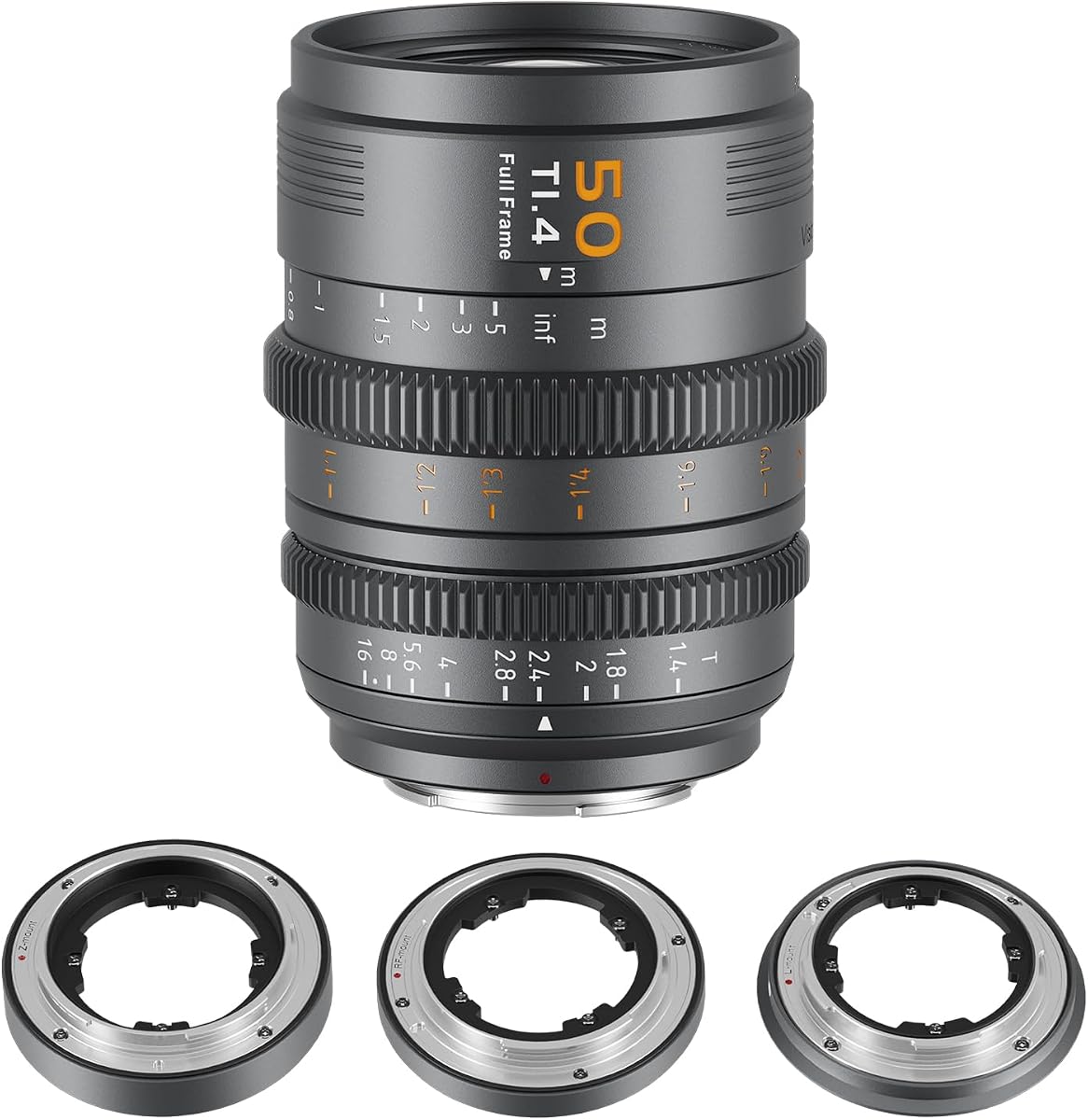
5.0Editor score

5.0Editor score
The following table provides a side-by-side comparison of all ten reviewed lenses highlighting their core specifications and unique capabilities to help you quickly identify the best match for your camera system and shooting style.


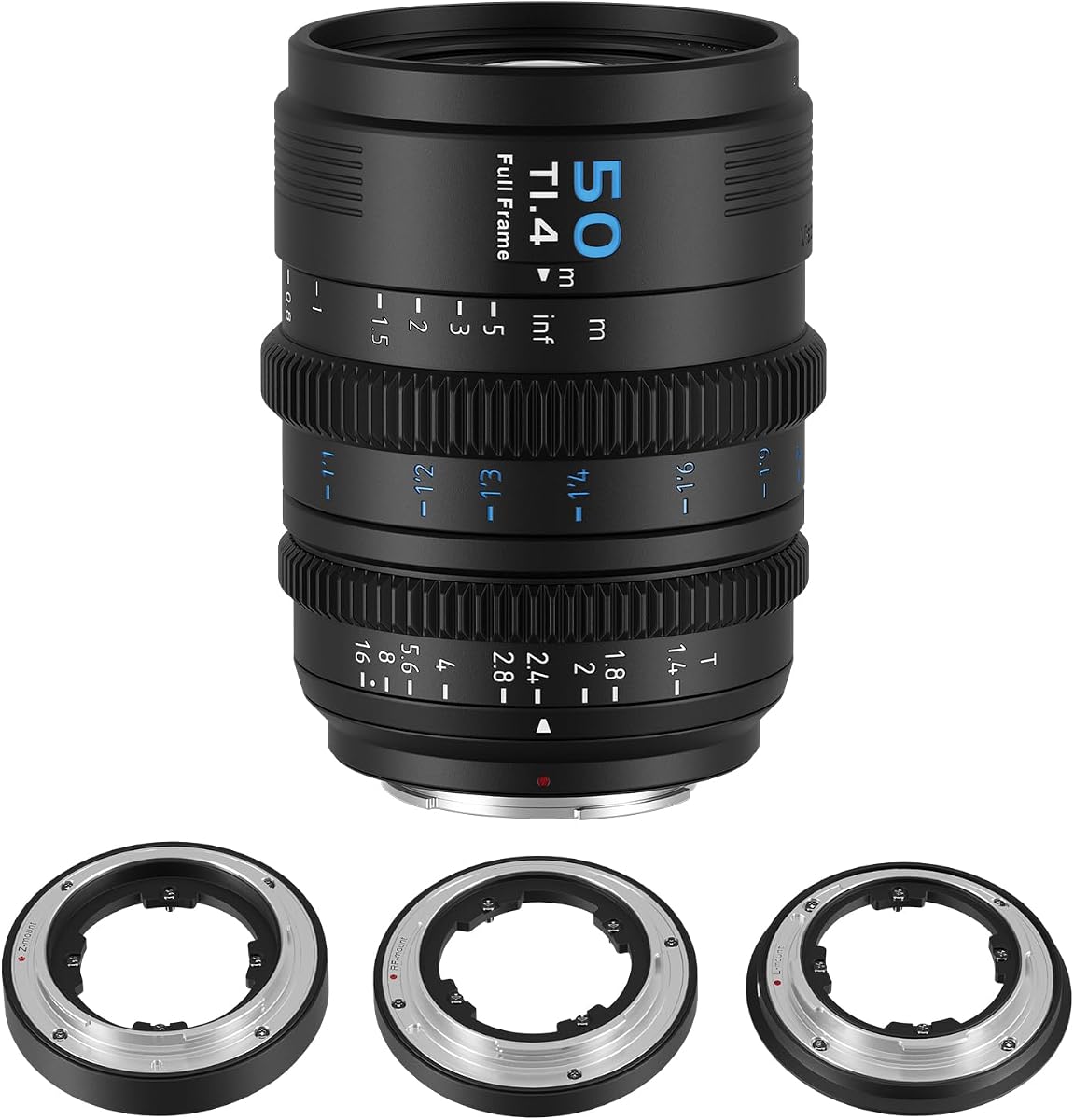

The SIRUI VP-1 Vision Prime 1 50mm T1.4 stands out as the top performer in this guide with a perfect rating. It delivers exceptional optical clarity and a versatile design that supports multiple camera systems through its unique mount interchangeability.
We may earn a commission when you buy through this link, at no additional cost to you.
This lens shines with its fast T1.4 aperture which allows for stunning low-light shooting and subject separation. The optical construction uses aspherical and ED glass to ensure edge-to-edge sharpness while minimizing distortion for professional results.
While the price point is higher than some budget options the build quality and versatility justify the investment. The uniform design across the lineup ensures consistency when swapping lenses during production which is crucial for color matching.
If you are looking for a reliable 50mm prime that adapts to your workflow without compromising image quality this lens is the ideal choice for serious filmmakers who value precision and flexibility.
The interchangeable mount system lets you switch between E RF Z and L mounts easily making it future proof for different camera upgrades.
Advanced glass elements ensure high resolution performance suitable for 8K storytelling with minimal aberrations and chromatic issues.
We may earn a commission when you buy through this link, at no additional cost to you.
The Rokinon DSX85 DSX 85mm T1.5 offers an excellent balance of performance and affordability making it a top pick for budget conscious creators. It provides full frame coverage with a fast aperture ideal for portraiture and cinematic shots.
We may earn a commission when you buy through this link, at no additional cost to you.
This lens features ultra multi-coated glass to reduce flare and improve contrast. The aperture ring is de-clicked for smooth exposure changes during video and the focus ring allows for precise manual adjustments.
While the build is robust it lacks the premium metal finish of higher end models which may concern heavy daily users. However the optical quality remains consistent and reliable for most professional and semi-professional applications.
If you need a reliable portrait lens without breaking the bank this option delivers strong results and solid ergonomics that work well with manual focus filmmaking setups.
Priced significantly lower than many competitors this lens makes entry into cine photography accessible for independent filmmakers and hobbyists alike.
Coating technology ensures clean images with reduced reflections allowing for clearer results even in challenging lighting conditions.
We may earn a commission when you buy through this link, at no additional cost to you.
The DZOFILM Pictor 50-125mm T2.8 is a premium zoom lens that delivers exceptional parfocal performance ensuring focus stays sharp throughout the zoom range. It earns a perfect rating for its precision engineering and professional usability in high-end production environments.
We may earn a commission when you buy through this link, at no additional cost to you.
Its design minimizes focus breathing which is critical for smooth cinematic transitions. The 16-slat iris helps create smooth bokeh and the T2.8 aperture offers bright light capture for various shooting conditions.
The price is higher than prime lenses but the versatility of a parfocal zoom justifies the cost for production teams needing to save time on setups. It is built to withstand heavy daily use with consistent color tone.
For professional crews seeking a reliable zoom that matches the quality of prime lenses this model sets a high standard for optical precision and mechanical durability in the cinema market.
The lens maintains focus perfectly while zooming saving time on re-focusing during complex shots and increasing production efficiency significantly.
Constructed for heavy duty use this lens ensures reliability over long shoot days with consistent handling and durability.
We may earn a commission when you buy through this link, at no additional cost to you.
The Rokinon Cine DS DS85M-C 85mm T1.5 is designed for seamless integration into a DS ecosystem with color matched optics and unified gear positions. It is a reliable choice for shooters who want consistent results across multiple focal lengths.
We may earn a commission when you buy through this link, at no additional cost to you.
Its aperture range from T1.5 to T22 allows flexibility in controlling depth of field and exposure. The de-clicked aperture ring ensures smooth adjustments during recording which is essential for video production tasks.
While the build uses plastic components for weight reduction the optical performance remains strong for the price point. It offers a balanced handling experience that suits handheld or tripod mounting scenarios well.
If you need a dedicated portrait lens that plays well with other Rokinon DS gear this model offers practical features and reliable performance for everyday filmmaking needs.
Matching gear positions and color tone allows filmmakers to swap lenses without re-calibrating equipment or worrying about color shifts.
The 8 blade iris creates smooth and attractive bokeh that enhances subject isolation for artistic portrait and interview shots.
We may earn a commission when you buy through this link, at no additional cost to you.
The ROKINON CINE DS T1.5 Cinema Lens Kit bundles four essential focal lengths into one complete set for Canon EF mounts. This kit is highly rated for providing a comprehensive solution that covers wide to portrait shots effectively.
We may earn a commission when you buy through this link, at no additional cost to you.
Each lens shares the same color profile and gear positions which simplifies workflow during shoots. The dual side focus and T-stop scales ensure easy access to settings from either side of the camera rig.
The weight of carrying four lenses is significant so proper storage and rigging are needed for long shoots. However the value of having matched optics at this price point is hard to beat for growing production teams.
If you are building your first cinema kit this package offers a solid foundation with versatile focal lengths that allow you to shoot a wide range of scenarios professionally.
From 24mm wide angle to 85mm portrait coverage this kit ensures you have the right glass for any shot composition required.
Matching optics and gear positions mean less time adjusting equipment and more time focusing on capturing great scenes.
We may earn a commission when you buy through this link, at no additional cost to you.
This variant of the SIRUI VP-1 Vision Prime 1 50mm T1.4 emphasizes its mount system which allows users to switch mounts as needed. It is a strong choice for hybrid shooters who use multiple camera systems frequently.
We may earn a commission when you buy through this link, at no additional cost to you.
The fast T1.4 aperture provides excellent light gathering capabilities and smooth subject separation. The design ensures consistent gear positions and filter sizes which helps maintain efficiency during complex setups.
While it has slightly lower ratings than other variants the core performance remains high for the intended use. It might face some availability issues but the design remains a compelling option for versatile setups.
If you work across Sony Canon Nikon and Panasonic cameras this lens provides the flexibility to adapt without purchasing multiple separate units.
Switching mounts becomes quick and easy which reduces downtime between shoots using different camera bodies.
The compact and lightweight design makes it easy to carry and ideal for documentary work where mobility is essential.
We may earn a commission when you buy through this link, at no additional cost to you.
The SIRUI Night Walker 35mm S35 excels in low-light conditions thanks to its large T1.2 aperture which allows clean shots with minimal ISO noise. It is perfect for documentary and portrait filming in dark environments.
We may earn a commission when you buy through this link, at no additional cost to you.
Its optical design delivers sharpness and controlled aberration even at maximum aperture. The lightweight build around 500g makes it easy to use handheld or on a gimbal for extended periods.
While it is limited to S35 sensors it offers incredible value for shooters using cameras like the Sony FX30. The focus ring rotation is smooth ensuring precise adjustments during critical shots.
If you shoot frequently at night or indoors with limited lighting this lens provides the brightness and control needed to maintain high image quality without heavy rigs.
The T1.2 aperture lets you shoot in dark conditions without pushing ISO too high which keeps noise levels low.
Light weight and balanced handling ensure comfort during long handheld shoots reducing fatigue over time.
We may earn a commission when you buy through this link, at no additional cost to you.
The SIRUI Night Walker 24mm S35 RF brings a versatile wide angle view with fast aperture performance tailored for RF mount cameras. It is excellent for landscapes interiors and environmental storytelling in tight spaces.
We may earn a commission when you buy through this link, at no additional cost to you.
Its 0.3m close focus allows for impressive depth in macro-style shots while maintaining cinematic quality. The aperture provides smooth depth of field which enhances subject isolation even in wide angle compositions.
The lens is built to be sturdy yet portable for professional workflows. While it focuses on RF mounts it serves well for RED and Canon shooters needing consistent wide options for video.
If you need a wide angle that handles low light and close focus well this lens offers the brightness and resolution needed for impactful visual storytelling.
The ability to focus as close as 0.3m adds creative options for detail shots and environmental close-ups.
A 24mm focal length balances breadth and composition to capture expansive scenes without excessive distortion.
We may earn a commission when you buy through this link, at no additional cost to you.
The SIRUI Night Walker 24mm S35 M4/3 is tailored for micro four thirds systems like the BMPCC4K and GH6. It combines fast aperture performance with a lightweight build ideal for travel and handheld recording.
We may earn a commission when you buy through this link, at no additional cost to you.
Its optical performance remains sharp and consistent even at T1.2 ensuring clean images in low-light environments. The focus ring offers smooth rotation which is essential for precision during video shoots.
While it is limited to M4/3 mounts the quality and value make it a strong choice for shooters invested in that ecosystem. The design ensures durability without adding bulk to your rig.
If you shoot with a GH6 or BMPCC4K this lens provides the speed and clarity needed for documentary and indie film productions effectively.
Built specifically for M4/3 mounts it ensures optimal performance and compatibility with popular cameras like the GH6 and BMPCC4K.
The compact size makes it easy to pack and transport which is perfect for run and gun shooting scenarios.
We may earn a commission when you buy through this link, at no additional cost to you.
The Rokinon 35mm T1.5 Cine DS provides a wide angle alternative for Canon EF users with consistent DS series features like color matching and de-clicked apertures. It is an excellent entry point for shooters needing a versatile prime.
We may earn a commission when you buy through this link, at no additional cost to you.
Its full frame coverage and T1.5 aperture allow for creative depth control and low-light shooting. The optical design ensures sharpness while minimizing distortion for clean compositions.
The build quality is functional with plastic elements to keep costs down. Some users report uneven focus ring tension but the overall performance remains strong for its price range.
If you need a reliable 35mm for general storytelling this lens offers the right balance of features and cost for growing production needs.
Matching with other DS lenses simplifies your workflow by keeping gear positions and color tones consistent across your setup.
The 35mm focal length offers a natural field of view ideal for general storytelling and interview scenarios.
We may earn a commission when you buy through this link, at no additional cost to you.
Selecting the right cine lens requires considering several critical factors that impact your workflow and final image quality. Below are key elements to evaluate when making your purchase.
Ensure the lens mount matches your camera body to avoid adapter issues. Some lenses offer interchangeable mounts which provide future flexibility for system upgrades.
Always verify mount specifications before buying to guarantee seamless integration with your existing camera ecosystem.
A faster aperture allows better performance in low light and more creative control over depth of field. Look for T-stops like T1.2 or T1.5 for optimal light gathering.
Consider your typical shooting environment and choose an aperture range that balances brightness with your depth of field needs.
Choose focal lengths that suit your shooting style such as 24mm for wide angles or 85mm for portraits. Verify whether the lens supports full frame or S35 coverage to avoid cropping issues.
A versatile range of focal lengths ensures you can capture diverse shots without switching equipment frequently during production.
Cine lenses should feature robust housing to withstand professional use and frequent handling. Metal bodies offer better durability and heat dissipation during long shoots.
Look for lenses with consistent gear positions and smooth focus rings for reliable performance in demanding environments.
Sharpness distortion control and chromatic aberration management are critical for clean video. Aspherical and ED glass elements help maintain high resolution and contrast.
Check reviews and tests to ensure the lens delivers sharp results across the entire frame especially at maximum aperture.
Minimal focus breathing keeps the framing consistent while changing focus points which is vital for cinematic shots. High quality lenses prioritize this feature to avoid distracting shifts.
If you shoot narrative scenes choose lenses specifically designed to reduce focus breathing for smooth visual transitions.
Standardized filter threads simplify lens changes and allow easy attachment of ND or UV filters. Ensure the lens supports common accessory sizes for versatility.
Uniform gear positions and filter sizes help streamline your workflow and reduce setup time on set.
Compare the feature set against the price to determine value. Some lenses offer kits that provide better long-term savings than individual purchases.
Balance your financial limits with the required performance features to ensure a cost-effective investment for your project.
Always attach lenses to the camera with care to avoid misalignment or damage to the mount contacts. Ensure the lens is secured firmly before shooting to maintain consistent handling.
Keep lenses clean by using a soft brush and microfiber cloth for removing dust and fingerprints. Avoid touching optical surfaces with fingers to prevent smudges that degrade image quality.
Store lenses in a dry and dust-free environment when not in use to protect internal elements. Use lens caps on both front and rear to shield optics from accidental impacts and debris.
Cine lenses feature de-clicked aperture rings for smooth exposure changes during video and standardized gear positions for focus and iris control. They also prioritize minimal focus breathing to maintain framing consistency while changing focus points.
Yes many cine lenses are designed with mounts that support mirrorless systems such as RF Z or E mounts. Some brands even offer interchangeable mounts for seamless switching between camera systems.
T-stops measure actual light transmission rather than theoretical aperture size ensuring consistent exposure between lenses. This standardization helps filmmakers maintain uniform brightness across multiple shots.
Manual focus offers more precise control over focus transitions and avoids unwanted hunting that autofocus systems may produce. It allows filmmakers to execute intentional and cinematic focus pulls smoothly.
Prime lenses offer larger apertures and sharper optics ideal for controlled environments while zoom lenses provide versatility for dynamic shots. Your choice depends on your workflow and the need for speed versus range.
Some cine lenses have fixed mounts that need specific adapters but others feature interchangeable systems that reduce reliance on external adapters. Always verify the mount compatibility before purchasing.
Focus breathing refers to the change in framing when adjusting focus points which can disrupt visual continuity in video. Minimal focus breathing is crucial for maintaining consistent composition during shots.
Beginners can benefit from entry-level cine kits that offer professional features at lower costs. Investing in quality optics early ensures reliable performance as skills grow over time.
We reviewed ten outstanding options ranging from versatile primes to specialized zooms that meet diverse filmmaking needs. The SIRUI VP-1 Vision Prime 1 and Rokinon DS series stand out for their balance of optical quality and practical features.
Prioritize lenses with consistent color tone smooth aperture rings and robust construction to ensure reliable performance on set. Consider your camera system and budget to select the right tool for your specific production goals.
Always check current pricing and availability as offers may change frequently. With careful selection you can build a versatile lens kit that enhances your creative vision and delivers professional results.