
Lenovo Business Laptop – Linux Mint
4.6Editor score
Intel Core i5-1335U
16GB RAM 256GB SSD
Linux Mint Cinnamon OS
Finding a reliable laptop for Linux can be challenging due to hardware compatibility issues. This guide highlights top models pre-installed with Linux or verified for seamless operation on open-source systems.
We evaluated processors, memory, storage, and display quality to ensure smooth multitasking and long-term usability. Each pick balances performance with affordability for various professional and personal needs.
Every recommendation includes key specs and real-world usage insights to help you choose wisely. Note that prices and availability may change, so verify details before purchasing.
4.6Editor score

4.3Editor score
5.0Editor score
As an Amazon Associate we earn from qualifying purchases.
Below is a side-by-side comparison of all ten models to help you quickly identify the right fit for your workflow. Pay attention to processor generation, memory size, and storage type.




This Lenovo IdeaPad Slim 3 stands out as a top contender for Linux users seeking performance without overspending. It ships with Ubuntu Linux pre-installed, eliminating the need for manual OS installation and configuration steps. The 8-core AMD Ryzen 7 5825U delivers smooth multitasking, while 16GB of RAM ensures applications run without lag.
We may earn a commission when you buy through this link, at no additional cost to you.
The display features TÜV Low Blue Light certification, reducing eye strain during long coding sessions or document editing. Its military-grade durability means the chassis can withstand daily wear and tear better than average consumer laptops. Additionally, the bundle includes a stylus pen, external portable SSD, and a 5-in-1 docking station, offering immediate utility out of the box.
While the storage is solid, it is not user-upgradeable, which may limit future expansion needs. The integrated Radeon graphics are sufficient for casual tasks but not heavy 3D rendering. However, for most development workflows, this configuration provides an excellent balance of power and portability.
Developers, students, and casual Linux users should strongly consider this model for its comprehensive package. It offers a robust foundation for programming, browsing, and media consumption with minimal setup overhead. If you need a reliable daily driver with Linux ready to go, this is a smart investment.
The pre-installed Ubuntu OS ensures immediate access to open-source apps and seamless hardware compatibility without extra setup time.
Military-grade durability and Low Blue Light certification make this laptop durable and comfortable for extended daily use.
We may earn a commission when you buy through this link, at no additional cost to you.
This Lenovo Business Laptop delivers exceptional value by combining a modern Intel Core i5 processor with Linux Mint Cinnamon out of the box. The operating system provides a familiar desktop environment for users transitioning from Windows, making it highly approachable. With 16GB of RAM, it handles multiple browser tabs and development tools efficiently.
We may earn a commission when you buy through this link, at no additional cost to you.
The display is anti-glare and Full HD, ensuring clear visibility even in bright office environments. Fast charging capabilities mean you can get hours of use from a brief plug-in session, which is great for professionals on the go. The full keyboard with a number pad supports data entry tasks comfortably.
The 256GB SSD may fill up quickly if you store large datasets or media files locally. Additionally, the lack of a touchscreen limits interactive workflows, though many Linux apps do not require touch input. For basic to intermediate tasks, this trade-off is acceptable given the price.
Budget-conscious users, admins, and those new to Linux will find this model ideal for learning and daily productivity. It offers a professional build quality and modern processor at a competitive entry point. If you prioritize software flexibility and cost, this is a strong candidate.
The 13th Gen Intel processor paired with Linux Mint ensures responsive performance and a polished user interface experience.
Fast charging, privacy shutter, and a full number pad enhance productivity and convenience for workplace environments.
We may earn a commission when you buy through this link, at no additional cost to you.
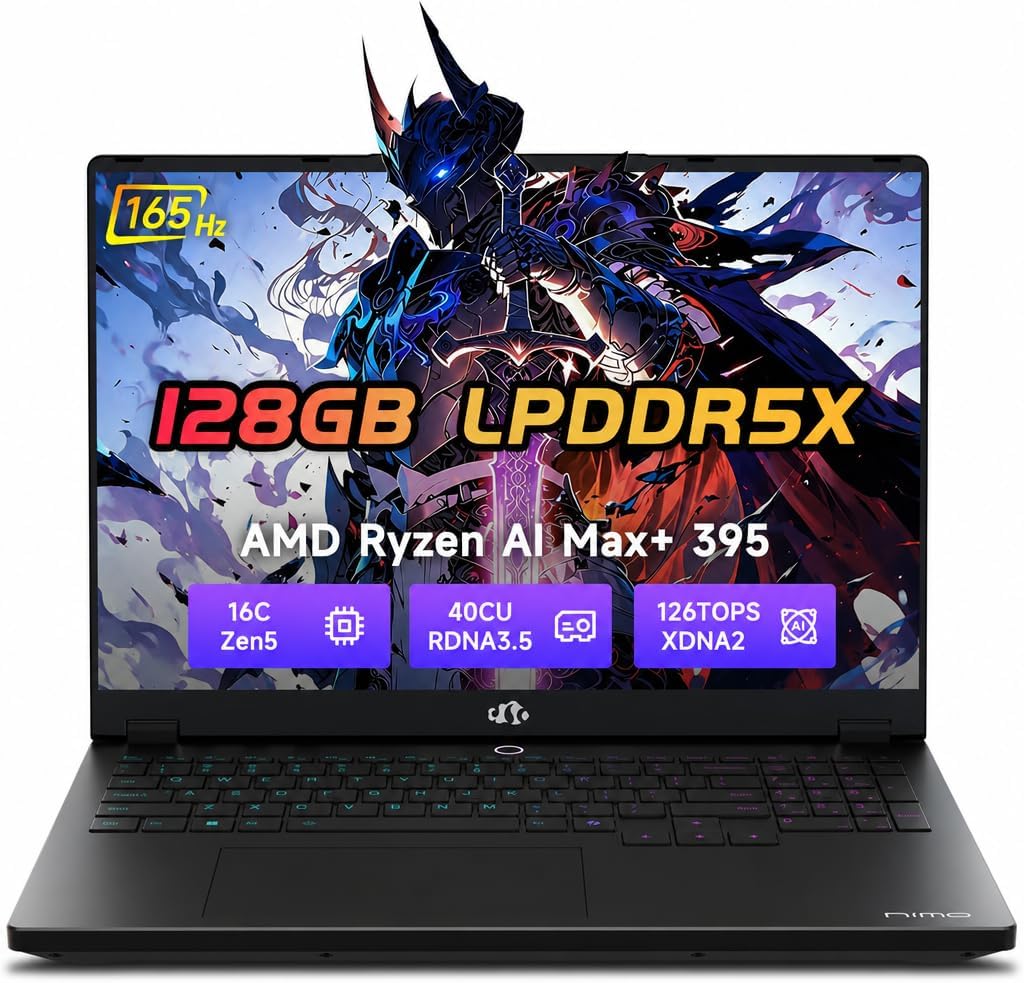
The NIMO 16" Linux AI Laptop is a powerhouse designed for developers running heavy virtual machines, Docker containers, or local AI models. With 128GB of LPDDR5x RAM, it eliminates memory bottlenecks that stall compilation or data processing. The AMD Ryzen Max+ 395 processor provides 16 cores to push throughput to new heights.
We may earn a commission when you buy through this link, at no additional cost to you.
Its Radeon graphics capabilities rival discrete GPUs, enabling smooth 4K playback and 3D rendering in tools like Blender. The battery hits 99Wh, allowing air travel without restriction while providing 8+ hours of endurance. A triple-fan cooling system maintains performance without throttling under load.
This machine comes at a steep price, which may not suit casual users. The weight and cooling system, while effective, add bulk to the design. However, for those needing workstation-class power in a laptop form factor, these compromises are justified.
AI researchers, data scientists, and power users requiring local large language model inference should prioritize this device. It turns a laptop into a private lab for proprietary algorithms. If budget allows and performance is critical, this is the ultimate Linux choice.
128GB RAM allows running dozens of containers and VMs simultaneously without system lag or slowdowns.
With 126 TOPS compute, you can fine-tune large models locally ensuring data privacy and reducing cloud costs.
We may earn a commission when you buy through this link, at no additional cost to you.
This HP 17 Business Laptop focuses on storage and memory capacity, making it suitable for users managing large archives or data sets. It pairs 32GB of RAM with a 1TB NVMe SSD and a 1TB HDD, offering a balance of speed and bulk storage. The Linux Mint Cinnamon OS ensures a stable and lightweight desktop environment.
We may earn a commission when you buy through this link, at no additional cost to you.
The 17.3-inch display provides ample screen real estate for multitasking and spreadsheet work. It is bright enough for office settings, though the resolution is lower than modern FHD standards. The full numberpad aids in financial or inventory management tasks.
The processor is older, which may limit performance in modern development tools or virtualization. The screen resolution is also less sharp than competitors. For archival storage or static workflows, these limitations are acceptable.
Users needing significant local storage without cloud reliance will find this model practical. It serves well as a secondary workstation or data management machine. If you prioritize disk space over raw processing speed, this is a viable option.
Combining NVMe speed with HDD capacity lets you store large datasets without sacrificing system responsiveness.
The 17-inch screen offers wide viewing area for coding, analysis, and document handling simultaneously.
We may earn a commission when you buy through this link, at no additional cost to you.
This model mirrors the specs of the top-rated IdeaPad Slim 3 but may not include extra accessories in every purchase. It maintains the core appeal of a strong CPU and Ubuntu pre-installation. The touchscreen adds versatility for annotating documents or navigating touch-friendly interfaces.
We may earn a commission when you buy through this link, at no additional cost to you.
Its slim profile makes it easy to carry for daily commutes. The webcam privacy shutter ensures privacy without needing a physical cover. The display quality remains consistent with previous reviews, offering clear visuals and reduced eye strain.
Without the extra bundle items like docking stations or external SSDs, the value proposition is slightly less competitive. Ports are standard but not extensive. For users who prefer to buy peripherals separately, this remains a solid core device.
Students and professionals needing a portable and capable Linux machine will appreciate this balance. It handles office tasks and light coding effectively. If you want the core performance without bundled extras, consider this variant.
The FHD Touchscreen enables intuitive navigation and annotation, enhancing usability for interactive tasks.
Slim design and privacy shutter webcam offer convenience and security for users on the move.
We may earn a commission when you buy through this link, at no additional cost to you.
This HP 14 inch Laptop is an entry-level device often used for basic web browsing and light document editing. While listed with Windows, it supports Linux installation easily, making it a candidate for budget Linux builds. Its lightweight chassis and anti-glare display suit travel and casual use.
We may earn a commission when you buy through this link, at no additional cost to you.
The cloud storage inclusion helps compensate for small local SSD capacity. Port selection includes USB-C for modern peripherals. Wi-Fi 6E support ensures stable connectivity in crowded networks.
With only 4GB RAM and 128GB storage, it struggles with multitasking or large software installations. Linux Mint or similar lightweight distros may run better than heavier systems. It is not recommended for development workflows.
Casual users or those seeking a secondary device for streaming and email should consider this. It is an affordable way to enter the Linux ecosystem if you are comfortable with resource management. For heavy usage, skip this model.
One TB of cloud storage offsets limited local space, enabling access to files from anywhere.
At under 3.3 pounds, this laptop is easy to carry for travel or daily commutes.
We may earn a commission when you buy through this link, at no additional cost to you.
This machine is explicitly designed for AI workloads, enabling local fine-tuning of large language models like Llama 3. Its 128GB LPDDR5x memory supports massive parallel processing tasks. The triple-fan cooling ensures stable performance during long training sessions without throttling.
We may earn a commission when you buy through this link, at no additional cost to you.
The 165Hz display delivers smooth visuals for 3D rendering and gaming. Biometric security features like IR facial recognition and fingerprint key add robust access control. The keyboard includes dedicated hotkeys for performance modes, allowing quick adjustments.
Cost is a significant factor here, making this a specialized tool rather than a general laptop. Users not needing AI capabilities will find it overkill. But for researchers or developers building proprietary models, it offers unmatched local privacy and speed.
Data scientists and AI researchers should consider this for private and efficient model training. It removes reliance on cloud GPUs and ensures full data confidentiality. If AI is your focus, this is the best Linux laptop available.
Fine-tune 70B LLMs locally to save costs and protect proprietary data from external access.
A 165Hz refresh rate ensures smooth frame rates for 3D rendering and professional video editing.
We may earn a commission when you buy through this link, at no additional cost to you.
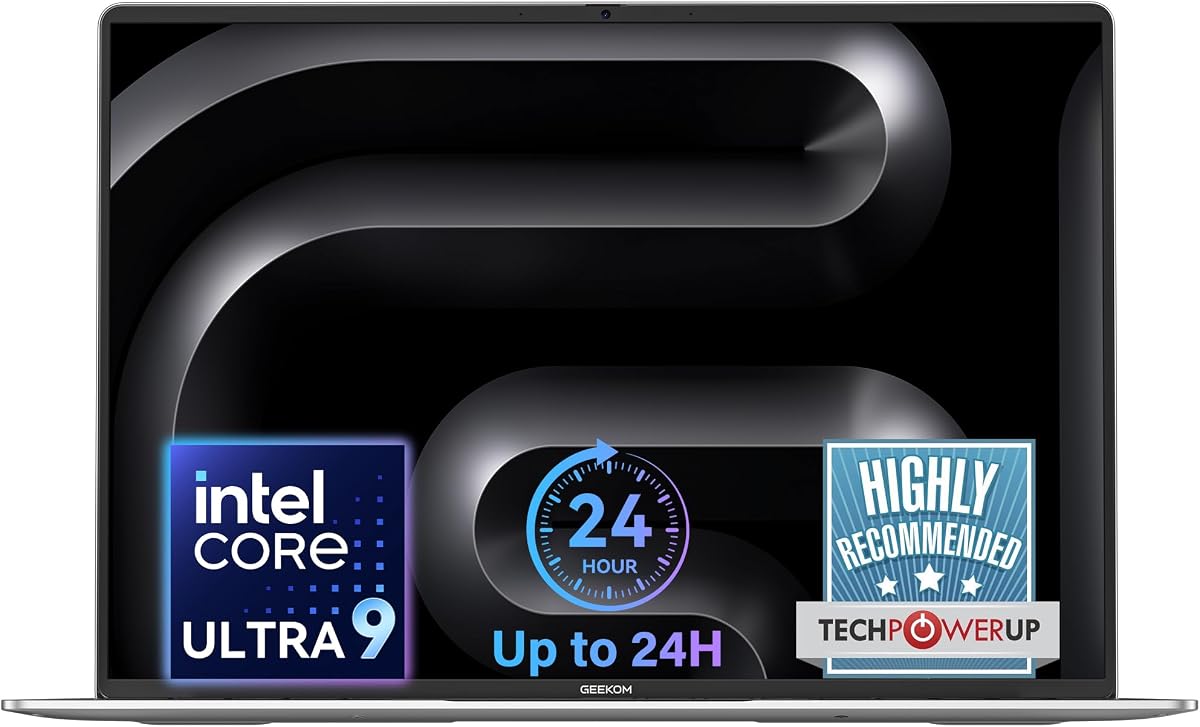
The GeekBook M16 stands out for its exceptional battery life, promising up to 24 hours of use. This is rare for a laptop with an Intel Ultra 9 processor and robust performance. The IceBlade cooling system sustains up to 55W of power output even on battery.
We may earn a commission when you buy through this link, at no additional cost to you.
It features a 16-inch 16:10 display with 90% screen-to-body ratio, maximizing workspace. USB4 connectivity supports up to three external displays, making it a desktop replacement. The chassis is aerospace-grade aluminum, ensuring durability and premium feel.
Linux users will need to install their OS since it ships with Windows. The high price point is justified by the build quality and battery. For travelers or remote workers, these factors are worth the investment.
Remote workers, digital nomads, and professionals needing reliability without frequent charging will love this. Its long endurance supports uninterrupted workflows. If battery life is your priority, this is the top choice.
Up to 24 hours of use means you can work remotely without access to power outlets.
Sustained 55W output and USB4 port enable powerful multitasking and multi-monitor setups.
We may earn a commission when you buy through this link, at no additional cost to you.
This HP model offers a wide 17.3-inch display that enhances productivity for tasks requiring broad visual fields. The AMD Ryzen 5 7430U processor ensures efficient multitasking with 16GB RAM. It supports Wi-Fi 6 for faster network speeds in busy offices.
We may earn a commission when you buy through this link, at no additional cost to you.
The display is IPS with Full HD resolution, ensuring accurate colors and wide viewing angles. Ports include USB-C and HDMI for versatile connectivity. The business-oriented design prioritizes reliability and function over aesthetics.
It comes with Windows pre-installed, requiring OS changes for Linux. The size makes it less portable, best suited for desk use. For users wanting a wide workspace, these factors are manageable.
Office professionals and analysts needing wide screen real estate for data comparison should consider this. It is ideal as a secondary desktop replacement. If you prefer large screens over portability, this fits the bill.
The 17.3-inch IPS display provides ample room for side-by-side windows and complex workflows.
Wi-Fi 6 and USB-C ensure fast, reliable connections to modern peripherals and networks.
We may earn a commission when you buy through this link, at no additional cost to you.
The ThinkPad L14 Gen 5 is a business machine designed with Linux users in mind, offering a Vanilla Linux system. The AMD Ryzen 5 PRO 7535U delivers efficient performance with DDR5 memory for faster throughput. Security features include a fingerprint reader and backlit keyboard.
We may earn a commission when you buy through this link, at no additional cost to you.
Its 14-inch WUXGA display offers sharp resolution in a compact form. The chassis is rugged and tested for durability. The French keyboard layout may require adaptation, but stickers are provided for English labels.
Storage is modest at 256GB, but expandable via cloud or external drives. It lacks the latest high-speed USB4 ports found in newer models. For business users seeking stability, these compromises are minor.
Corporate users and developers preferring ThinkPad quality should choose this for reliable daily work. It balances performance, security, and Linux compatibility. If business features are key, this is a solid contender.
Fingerprint reader and physical webcam shutter protect sensitive data and maintain privacy.
DDR5 memory provides faster data access for applications and development environments.
We may earn a commission when you buy through this link, at no additional cost to you.
Selecting the right Linux laptop requires checking processor architecture, memory capacity, and hardware compatibility. Here are key factors to guide your decision.
Modern CPUs like AMD Ryzen and Intel Core offer robust performance for Linux. Ensure the chipset supports latest drivers for best performance.
Choose a processor with enough cores to handle your workload without overheating.
16GB RAM is a good baseline for development and multitasking. More RAM supports running virtual machines and containers.
If you plan to run heavy apps, prioritize higher capacity.
NVMe SSDs provide faster boot and app loading than SATA drives. Consider 512GB or 1TB for comfortable storage.
Prioritize SSD speed and capacity for overall responsiveness.
Full HD resolution is standard; higher resolutions offer better text clarity. IPS panels give wide viewing angles.
Opt for IPS and low blue light to reduce eye strain.
Look for at least 8 hours of endurance for remote work. Large batteries help with unplugged productivity.
Check battery capacity to match your daily usage needs.
Models with Ubuntu or Linux Mint pre-installed save time and avoid installation issues. Verify compatibility before buying.
Pre-installed systems ensure hardware compatibility immediately.
Multiple USB ports and HDMI or USB-C enable connecting peripherals and external monitors. USB-C with power delivery is a plus.
Ensure ports match your peripheral requirements.
Military-grade tested chassis last longer under daily travel. Rugged materials prevent wear and tear.
Prioritize durability for long-term reliability.
After purchasing, verify that all drivers are updated via Linux software repositories. Ensure the display and touch functions work properly.
Keep your system cool by using on flat surfaces and clearing vents periodically. Avoid using the laptop on soft fabrics to prevent overheating.
Regularly back up data using external drives or cloud services. Perform system updates to stay secure and optimized.
Most modern laptops support Linux, but checking compatibility is wise. Some Wi-Fi or audio chips may need extra drivers. Ubuntu and Mint are great starting points for broad hardware support.
Linux offers better privacy, performance, and customization. It is ideal for developers and those seeking lightweight OS performance. It avoids unwanted software bundles and telemetry.
Yes, Lenovo often ensures hardware compatibility with Linux distributions. Their ThinkPad series is well-known for Linux friendliness. Many models come pre-installed with Ubuntu or Mint.
8GB is minimum for basic use, but 16GB is recommended for multitasking and development. More RAM helps run virtual machines and heavy applications smoothly.
Many Linux laptops support modern games via Steam and Proton. AMD Radeon integrated graphics perform well on Linux. Dedicated GPUs may need specific driver configurations.
Pre-installed Linux ensures driver compatibility and immediate readiness. It saves time on setup and reduces compatibility issues. Verify which OS is included before buying.
With proper care, laptops can last 4 to 6 years. Regular updates and battery care extend lifespan. Build quality affects durability and long-term use.
This guide covers top picks for developers, professionals, and casual users. Each model offers distinct advantages for performance, budget, or portability.
Prioritize processor power, RAM, and storage based on your tasks. Ensure your choice matches long-term productivity needs.
Prices vary and models change, so check current listings before buying. Verify Linux compatibility and warranty details for peace of mind.