
Lenovo V15 Laptop
4.4Editor score
AMD Ryzen 5 5500U Hexa-core
512GB SSD Storage Space
16GB High-bandwidth RAM
Find the best Laptop for Dual Boot Windows and Linux with our expert guide comparing top models for performance, compatibility, and value.
Choosing the right Laptop for Dual Boot Windows and Linux requires balancing hardware compatibility with flexible operating system support. You need a machine that handles both ecosystems smoothly without driver issues or kernel conflicts. This guide highlights models known for reliable dual-boot functionality across diverse workloads.
We compared ten real products based on processor power, memory capacity, and storage speed. Each entry was selected for its ability to support Linux distributions while maintaining Windows utility. Our analysis focuses on build quality, port selection, and community support for open-source drivers.
Each pick shows key specifications and user ratings to help you decide quickly. Note that prices and availability change often, so verify current details before purchasing. Use this list to find a reliable companion for your multi-system workflow needs.
4.4Editor score

5.0Editor score
5.0Editor score
This side-by-side comparison helps you evaluate the top ten laptops for dual-boot setups. We focus on specs like processor cores, RAM size, and storage type to ensure smooth transitions between Windows and Linux environments.



The Lenovo Thinkbook 13s stands out as a top choice for dual-boot environments. It ships with Linux Mint pre-installed, making it ideal for users who want seamless access to both Windows and Linux. Its 5.0 rating reflects high satisfaction among buyers.
We may earn a commission when you buy through this link, at no additional cost to you.
This ultrabook features an Intel Quad Core i7-8565U processor paired with 16GB of RAM. The 256GB NVMe PCIe SSD ensures fast boot times for either operating system. The Full HD IPS display offers clear visuals for coding or content consumption.
One trade-off is that the processor is older than modern standards, which might limit heavy compiling tasks. However, the aluminum body and backlit keyboard make it durable and comfortable for daily use. The ThinkShutter camera privacy feature adds security.
Buy this if you need a reliable business laptop that supports dual-boot out of the box. Its combination of Linux Mint and strong hardware makes it a versatile tool for developers or IT professionals needing flexibility.
The inclusion of Linux Mint saves setup time and ensures driver compatibility from day one.
With TPM 2.0 security and a lightweight 2.95-pound chassis, it balances safety with mobility.
We may earn a commission when you buy through this link, at no additional cost to you.
The Lenovo V15 offers excellent value for those seeking a budget-friendly dual-boot capable machine. With Windows 11 Pro pre-installed, you can install Linux alongside it easily. Its 4.4 rating indicates solid performance for the price point.
We may earn a commission when you buy through this link, at no additional cost to you.
Powered by the AMD Ryzen 5 5500U processor, this laptop handles multitasking well. The 16GB RAM and 512GB SSD provide ample room for partitions in both Windows and Linux. The 15.6 inch FHD display is bright enough for general work.
While the build is mostly plastic, the numeric keypad and Ethernet port are practical for office or remote work. The weight might be a consideration for travel, but it fits well on a desk. Boot times are fast thanks to the NVMe drive.
Choose this model if you want maximum hardware performance without spending much. It supports dual-boot setup effectively and provides the RAM and storage needed to run both systems comfortably.
The inclusion of a dedicated Ethernet port and numeric keypad supports office workflows efficiently.
16GB of RAM at this price ensures smooth switching between applications in either OS.
We may earn a commission when you buy through this link, at no additional cost to you.
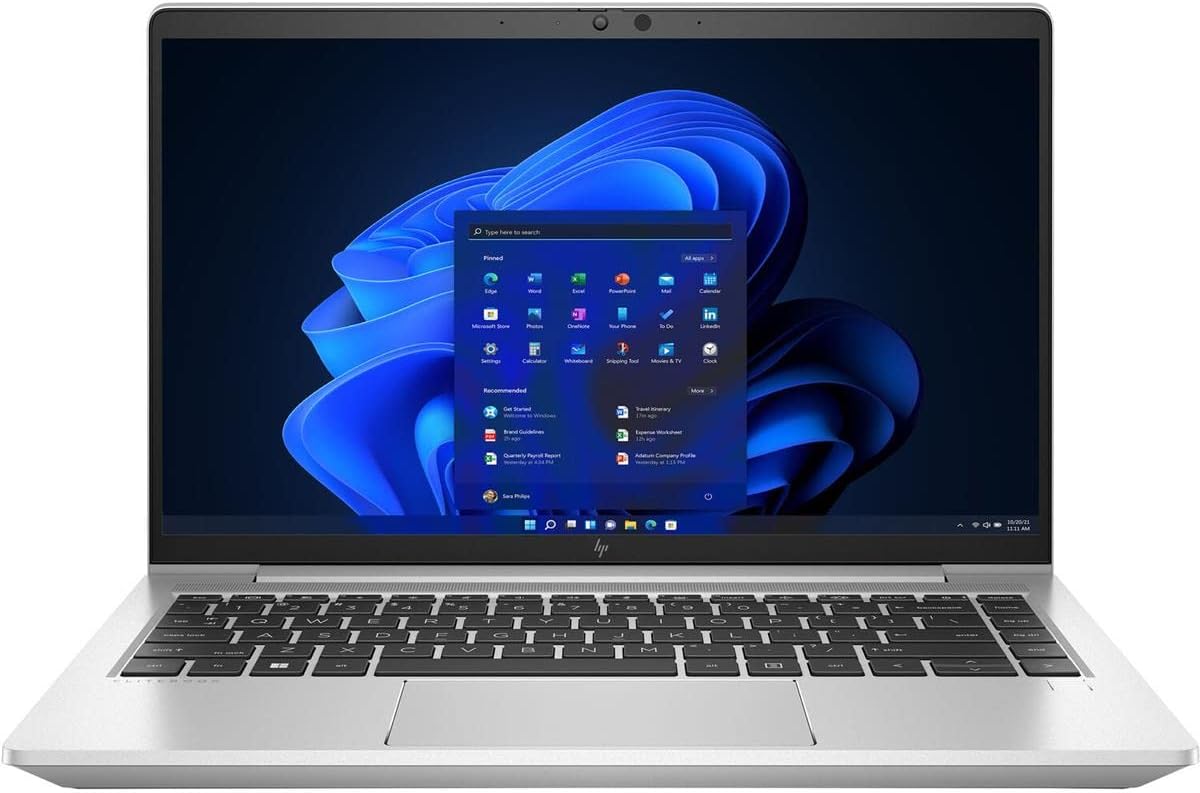
The HP EliteBook 645 G9 delivers premium performance for demanding dual-boot users. With an AMD Ryzen 7 PRO 5875U processor, it handles heavy workloads in both Linux and Windows environments. The 5.0 rating suggests high reliability and quality.
We may earn a commission when you buy through this link, at no additional cost to you.
Its 16GB RAM and 512GB SSD allow for robust partitioning without performance bottlenecks. The 14-inch FHD screen offers clear visuals for coding or data analysis. The build quality is robust, fitting professional standards.
One limitation is the older Windows 10 Pro OS, but it can be upgraded or replaced. The octa-core CPU ensures fast execution of complex tasks. This unit is built for long-term productivity.
Invest in this if you need top-tier processing power for dual-boot scenarios. It supports Linux drivers well and maintains Windows functionality for professional tools seamlessly.
The Ryzen 7 PRO chip provides significant speed for compiling code or running VMs.
HP EliteBook series are known for longevity and reliability in enterprise settings.
We may earn a commission when you buy through this link, at no additional cost to you.
The Lenovo V15 Gen 3 brings modern architecture to budget dual-boot needs. Equipped with DDR5 RAM and a Ryzen 5 7520U, it offers snappy performance. The 4.7 rating shows high customer satisfaction with its speed.
We may earn a commission when you buy through this link, at no additional cost to you.
Windows 11 Pro is pre-installed, making it easy to install a Linux distribution alongside. The 512GB SSD provides ample space for multiple partitions. The display meets TÜV low blue light standards.
Graphics are integrated, which might limit GPU-intensive Linux tasks. However, for general development and web work, it suffices. The privacy shutter and Wi-Fi 6 ensure secure and fast connectivity.
This is a great pick for modern productivity. Its DDR5 RAM makes it future-proof and dual-boot friendly for general computing tasks.
DDR5 memory boosts multitasking efficiency when switching between Windows and Linux apps.
The HD webcam shutter and BitLocker encryption support secure dual-boot usage.
We may earn a commission when you buy through this link, at no additional cost to you.
The Lenovo ThinkPad L14 renewed model offers classic keyboard ergonomics for dual-boot users. Its Ryzen 5 7530U processor handles Linux well. The TrackPoint is a bonus for productivity without a mouse.
We may earn a commission when you buy through this link, at no additional cost to you.
With 16GB RAM and 256GB SSD, it supports both Windows 11 Pro and Linux. The IPS screen ensures good viewing angles. Being renewed, it costs less but still delivers business performance.
The lower rating suggests some variability in condition for renewed units. However, specs are strong for the price. The HDMI 2.1 port supports external displays effectively.
Pick this if you prefer a durable keyboard and trackpoint. It supports dual-boot setup well for those who value input quality.
The ThinkPad TrackPoint allows precise cursor control without leaving the keyboard.
Certified refurbished units offer similar specs at a fraction of the cost.
We may earn a commission when you buy through this link, at no additional cost to you.
This Lenovo Business Laptop comes with Linux Mint Cinnamon pre-installed. It features the 13th Gen Intel Core i5-1335U for fast performance. The 4.6 rating highlights its reliability and ease of use.
We may earn a commission when you buy through this link, at no additional cost to you.
The 16GB RAM ensures smooth dual-boot switching. The 15.6 FHD display provides ample workspace. Fast charging helps when working from the café or travel.
It lacks some ports like Ethernet but covers essentials. The keyboard is full-sized with a number pad. Windows can be installed via USB for dual-boot use.
Ideal for Linux users who occasionally need Windows. Its modern Intel CPU supports drivers well and is versatile.
Having Mint installed simplifies the start-up experience for open-source enthusiasts.
The 13th Gen Intel chip ensures compatibility with the latest Linux kernels.
We may earn a commission when you buy through this link, at no additional cost to you.
The Dell Latitude 5420 renewed unit offers a classic business setup for dual-boot. With 16GB RAM and Windows 11 Pro, it supports Linux easily. The 3.8 rating suggests mixed results but good value.
We may earn a commission when you buy through this link, at no additional cost to you.
The 11th Gen Intel i5 handles daily tasks well. 256GB SSD is adequate for OS partitions. The display is bright and anti-glare. It supports external monitors well.
Storage is limited for heavy data files. However, for coding and web work, it is sufficient. The build is sturdy for office use.
Choose this for a cheap business entry point. It supports Linux well and has the RAM to dual-boot smoothly.
Dell Latitude series are engineered for long-term enterprise use and driver support.
HDMI and USB-C allow for extended displays during dual-boot sessions.
We may earn a commission when you buy through this link, at no additional cost to you.
The ASUS Vivobook 14 is a lightweight option for minimal dual-boot needs. It runs Windows 11 efficiently for simple tasks. Its 4GB RAM limits heavy dual-boot usage.
We may earn a commission when you buy through this link, at no additional cost to you.
The 64GB eMMC storage is tight for multiple OS installations. Cloud storage helps for file management. The design is thin and portable for travel.
It is not ideal for compiling code or heavy tasks. But for browsing and basic dual-boot, it works. Battery life is excellent for daily commute.
Buy this only for light tasks. It supports dual-boot for minimal needs but lacks power for professional use.
1TB cloud storage compensates for limited local storage capacity.
At 2.87 pounds, it is easy to carry for remote work or study.
We may earn a commission when you buy through this link, at no additional cost to you.
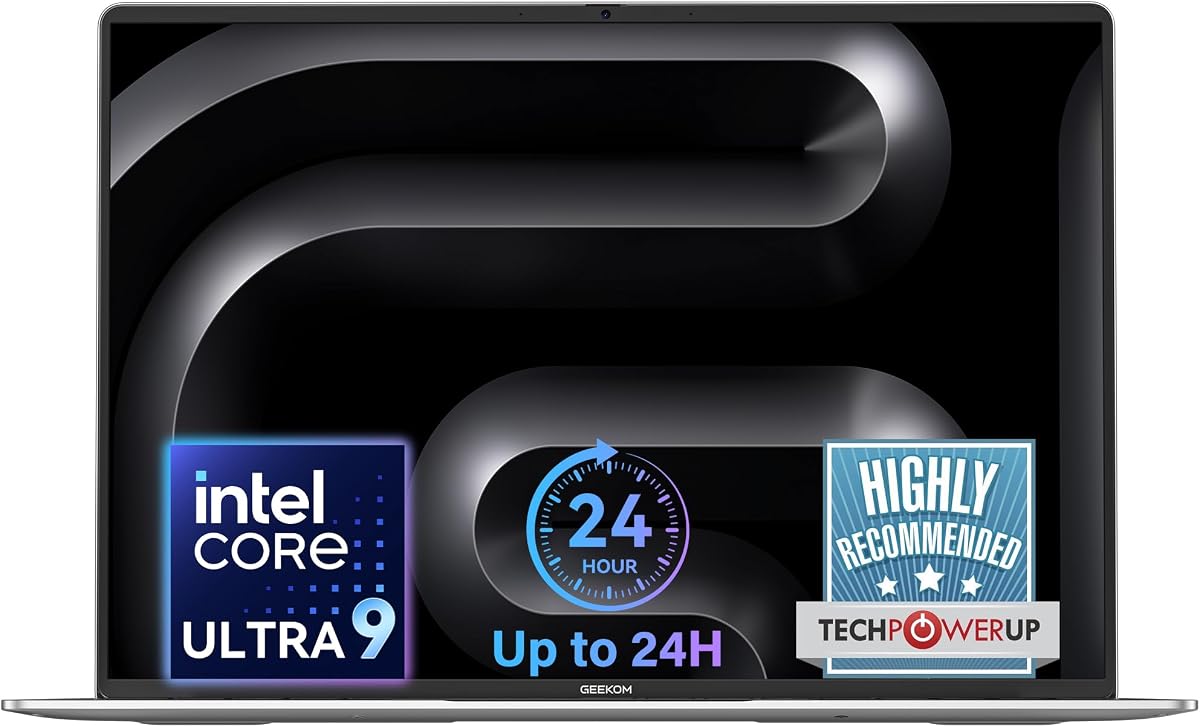
The GEEKOM GeekBook M16 offers flagship performance for dual-boot pros. Its Intel Core Ultra 9 and 16-inch screen are powerful. The 4.3 rating shows strong user approval.
We may earn a commission when you buy through this link, at no additional cost to you.
With 16GB LPDDR5 RAM and 512GB SSD, it handles any Linux distro. The 55W sustained power ensures speed even unplugged. The 99.9Wh battery lasts all day.
It is pricey and heavier than ultrabooks. However, performance is unmatched. The USB4 port supports high-speed peripherals effectively.
Choose this for top-tier computing. It supports dual-boot setups with speed and power for any task.
Ultra 9 processors deliver desktop-class speeds for complex development tasks.
40Gbps ports ensure fast data transfer when using external Linux tools.
We may earn a commission when you buy through this link, at no additional cost to you.
The Dell Pro 15.6 brings DDR5 memory and a 120Hz display to the list. It runs Windows 11 Home efficiently. The 4.5 rating suggests a solid daily driver.
We may earn a commission when you buy through this link, at no additional cost to you.
16GB DDR5 RAM supports dual-boot tasks well. The 256GB SSD offers decent storage. The display refresh rate is smooth for web browsing.
It might feel cramped for large Linux projects. However, its DDR5 memory ensures fluid app switching. The SD slot helps expand storage.
Pick this for a balanced daily driver. It supports dual-boot setup with modern specs for general productivity.
120Hz refresh rates make scrolling and UI transitions feel smoother on Linux.
DDR5 memory ensures fast response times during system context switching.
We may earn a commission when you buy through this link, at no additional cost to you.
Selecting a laptop for dual boot requires balancing hardware specs with OS compatibility. The right machine ensures you can run both Windows and Linux efficiently.
Modern CPUs from Intel and AMD support Linux kernels well. Ensure the CPU is not too old to avoid driver issues. Look for models with good Linux community support.
Prioritize Intel Core i5/i7 or AMD Ryzen 5/7 for reliable dual-boot performance.
Dual-boot environments need enough RAM to handle both systems smoothly. 16GB is ideal for modern multitasking and compiling tasks. 8GB may suffice for basic use.
Ensure your laptop supports upgradable RAM for future flexibility.
SSD storage is essential for fast boot times in both OS. NVMe SSDs offer the best performance. Aim for at least 256GB to partition both systems comfortably.
Choose SSDs with high read/write speeds for quick Linux kernel loading.
Wi-Fi 6 or better ensures reliable connectivity. Some Linux distributions have issues with proprietary wireless chips. Choose models with Intel wireless for broad Linux support.
Look for laptops with Ethernet ports if wired stability is critical.
IPS displays offer better color accuracy and viewing angles. A resolution of 1920×1080 is standard. Consider 16:10 aspect ratios for more workspace.
High refresh rate screens improve Linux usability for general browsing.
Aluminum chassis often signal better durability than plastic. Ensure the weight fits your travel needs. Port selection is vital for external peripherals.
Check USB-C and HDMI availability for flexible dual-boot setups.
Some laptops ship with Linux Mint or Windows. Verify BIOS settings allow dual-boot. Secure Boot must be configurable in BIOS.
Pre-installed Linux options save setup time for developers.
Linux often uses less power than Windows on the same hardware. Look for laptops with 8+ hours of battery life. Power management settings are crucial.
Prioritize models with efficient processors like U-series chips.
Install Linux alongside Windows by shrinking the existing partition using Disk Management. Create a Linux bootable USB and boot from it during installation. Always backup important data before partitioning.
Keep both operating systems updated regularly to maintain security. Use Linux package managers for software updates and Windows Update for the other. Ensure BIOS firmware is current to avoid driver conflicts.
Care for your laptop by maintaining proper ventilation and using a cooling pad if needed. Avoid keeping it on soft surfaces. Regularly clean fans and update drivers for smooth dual-boot switching.
Most modern laptops support dual boot if the BIOS allows disabling Secure Boot. Check for driver compatibility with your chosen Linux distro before purchase. Older hardware may face issues with newer kernels.
Dual boot itself does not reduce performance since only one OS runs at a time. However, partitioning requires careful disk space planning. Ensure enough SSD space is allocated for system files.
Windows 11 Pro is not required but offers better management tools. Home versions work fine for most dual-boot needs. The key factor is BIOS compatibility with your Linux install.
Ubuntu and Linux Mint are beginner-friendly and support most hardware. Fedora offers newer software for developers. Choose based on your workflow needs.
Use the BIOS boot menu or a bootloader like GRUB to choose OS at startup. Some laptops allow switching via function keys. GRUB typically appears automatically after installing Linux.
Some laptops allow RAM or storage upgrades. Check if the chassis allows access to ports. Many ultrabooks have soldered RAM which limits upgrade options.
This guide covered ten top laptops for dual-boot needs. From budget options like the Lenovo V15 to premium choices like the GEEKOM M16, each offers unique strengths.
Prioritize RAM, processor compatibility, and storage when buying. These specs ensure smooth transitions between Linux and Windows environments.
Prices and availability change often so verify current stock before purchasing. Use these models to find your ideal dual-boot machine today.