
LONELY BINARY Logic Analyzer Kit
4.2Editor score
Eight channel digital analysis
Comprehensive accessory kit included
Flexible breakout board design
This guide compares the top logic analyzers for electronics projects, evaluating speed, channels, and features to help engineers and hobbyists choose the right
Logic analyzers are essential tools for debugging digital circuits and understanding signal behavior in modern electronics projects. They allow engineers and hobbyists to visualize data patterns across multiple channels simultaneously. Selecting the right model ensures efficient troubleshooting and faster development cycles for embedded systems.
We evaluated ten prominent logic analyzers based on channel count, sampling rates, and software compatibility. Our analysis considers portability, protocol decoding capabilities, and ease of use for various skill levels. This list covers budget-friendly options as well as professional-grade instruments for complex tasks.
Each product selection highlights unique strengths and ideal use cases for different project requirements. You will find detailed specifications and practical insights to guide your purchasing decision. Please note that product availability and pricing may fluctuate over time.
4.2Editor score

4.5Editor score
4.8Editor score
The following table provides a side-by-side comparison of the top ten logic analyzers available for electronics projects. It highlights key specifications such as channel count, sampling rates, and software compatibility to help you identify the best fit for your specific needs.


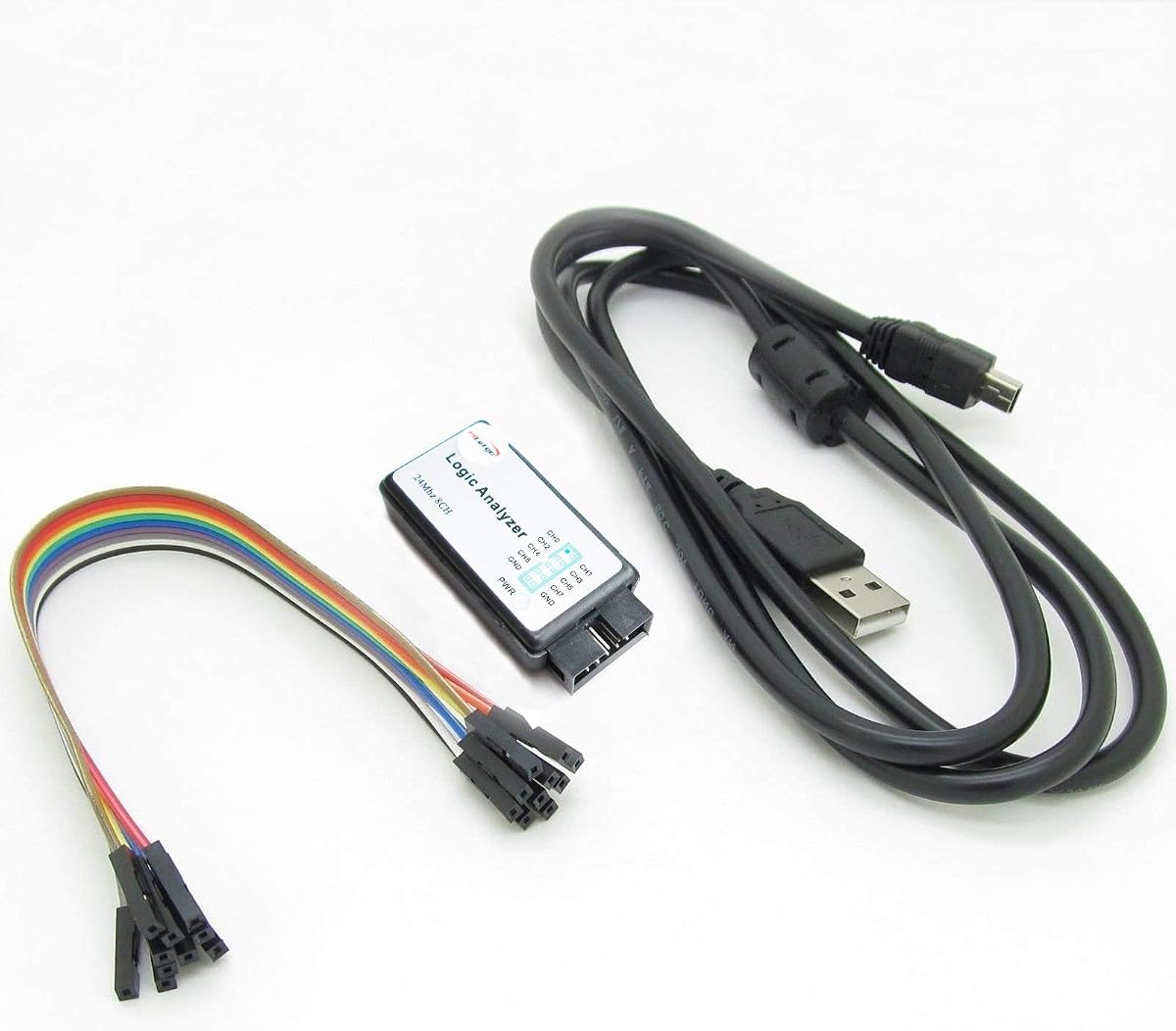


The LONELY BINARY Logic Analyzer Kit serves as an accessible entry point for electronics enthusiasts seeking reliable debugging tools. It offers eight channels capable of capturing digital signals at speeds up to twenty four megahertz. This makes it suitable for standard communication protocols like I2C and UART in hobbyist projects.
We may earn a commission when you buy through this link, at no additional cost to you.
Its design emphasizes ease of use with breakout boards that simplify connections to microcontrollers and breadboards. The inclusion of various test clips and jumper wires reduces the need for additional purchases. This comprehensive kit approach ensures users can start testing immediately without waiting for extra accessories.
While it lacks the high speed capabilities of professional units, it meets the needs of most student and hobbyist applications effectively. The dual USB connectivity ensures compatibility with a wide range of computers. Setup is straightforward, minimizing friction for those new to signal analysis.
This analyzer is ideal for students and hobbyists working on embedded systems or simple IoT projects. It balances cost and functionality well for those who do not require extreme sampling speeds. We recommend it for anyone starting their journey into digital circuit debugging.
The comprehensive accessory kit includes ten test clips and five alligator clips for immediate use.
Breakout boards break out channels to standard pins for secure connections with alligator clips.
We may earn a commission when you buy through this link, at no additional cost to you.
The LA1010 USB Logic Analyzer strikes an excellent balance between performance and affordability for serious hobbyists and students. With sixteen input channels and a sampling rate of one hundred megahertz, it captures detailed signal waveforms accurately. This capability allows for precise debugging of complex embedded systems.
We may earn a commission when you buy through this link, at no additional cost to you.
It comes bundled with KingstVIS PC software which supports real-time signal visualization and protocol decoding. Users can decode over thirty standard protocols to extract human-readable data quickly. This feature significantly accelerates the debugging process for developers working on communication interfaces.
The device supports Windows, Mac, and Linux platforms ensuring broad compatibility across different workflows. Auto-installing drivers reduce setup friction for most users. Its low power consumption makes it suitable for long-term monitoring tasks in test environments.
This model is perfect for those needing more speed and channels than budget kits offer. It handles ARM and FPGA testing effectively. We consider it the top choice for value-conscious professionals needing robust decoding features.
Simultaneously capture sixteen digital signals and convert them into clear digital waveforms on your PC screen.
Fully compatible with Windows 10 and 11 as well as macOS and Linux operating systems.
We may earn a commission when you buy through this link, at no additional cost to you.
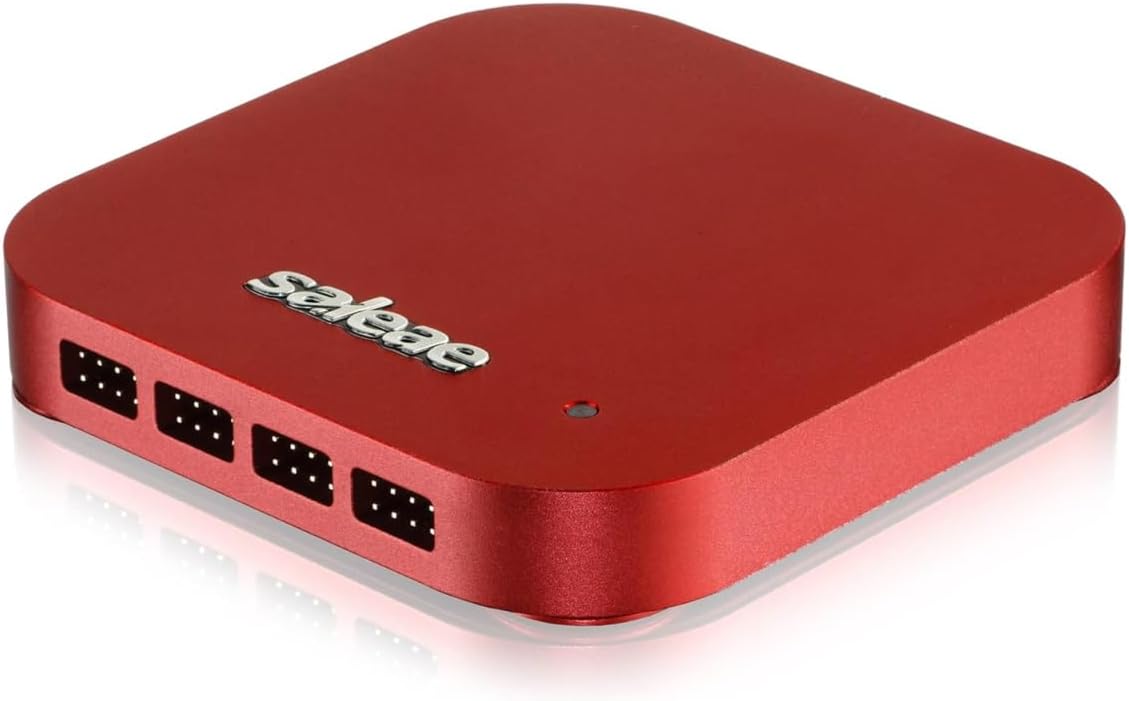
The Saleae Logic Pro 16 represents the pinnacle of portable logic analysis with unmatched speed and versatility. It features sixteen inputs capable of sampling digital signals at up to five hundred megasamples per second. Additionally it supports analog inputs for mixed-signal analysis in complex designs.
We may earn a commission when you buy through this link, at no additional cost to you.
Its software allows users to decode a vast array of protocols including SPI and I2C with high reliability. The device utilizes PC memory to store billions of samples ensuring long capture sessions without data loss. This makes it ideal for diagnosing intermittent faults in production environments.
The analyzer is fully compatible with Mac, Windows, and Linux offering flexibility for diverse teams. Its robust build quality and reliable driver support justify the investment for professional engineers. Users benefit from a seamless experience during critical debugging phases.
This unit is best suited for professional engineers working on high-speed interfaces like USB or PCIe. It provides the precision needed for validating new hardware designs. We recommend it for those who demand top-tier performance and reliability.
Combine digital and analog capture on the same device for comprehensive system analysis.
Access billions of samples by leveraging your PC memory for extended signal viewing.
We may earn a commission when you buy through this link, at no additional cost to you.
The Logic Pro 8 delivers professional-grade performance in a slightly more compact form factor than its sixteen-channel counterpart. It offers eight inputs with digital sampling speeds reaching five hundred megasamples per second. This allows engineers to analyze high-frequency signals with precision and accuracy.
We may earn a commission when you buy through this link, at no additional cost to you.
Like the Pro 16 it supports simultaneous analog inputs enabling mixed-signal analysis on a single unit. Users can decode over twenty three common protocols efficiently during debugging sessions. The software interface is intuitive and provides detailed waveform views for thorough inspection.
It is compatible with major operating systems ensuring it fits into existing development workflows. The device relies on USB 3.0 for optimal data transfer speeds. Its robust construction makes it suitable for both lab use and field troubleshooting.
This analyzer is ideal for professionals needing high speed performance but not full channel count. It excels in embedded development and protocol validation tasks. We suggest it for engineers prioritizing speed over channel availability.
Decode over twenty three popular digital communication protocols including SPI and I2C effortlessly.
Capture digital signals at up to five hundred megasamples per second for detailed timing analysis.
We may earn a commission when you buy through this link, at no additional cost to you.
This USB Logic Analyzer is designed for users who want compatibility with established software like Saleae Logic and PulseView. It features eight channels capable of capturing signals at up to twenty four megahertz. This makes it a solid choice for debugging Arduino and ARM projects efficiently.
We may earn a commission when you buy through this link, at no additional cost to you.
The device supports a voltage range that accommodates both 3.3V and 5V logic levels common in hobbyist electronics. It allows for automatic analysis of UART and SPI protocols saving time during testing. This compatibility reduces the learning curve for new users.
Despite its low cost it provides sufficient functionality for educational and prototyping needs. It is easy to carry and store in a toolbox or laptop bag. Users appreciate its plug-and-play nature when connecting to different systems.
We recommend this analyzer for students and makers focusing on microcontroller projects. It balances performance and cost well for basic digital debugging tasks. It is a practical choice for those not requiring high-speed sampling.
Fully supported by Saleae Logic Analyzer software and PulseView for seamless integration.
Accommodates 3.3V logic levels common in modern Arduino and ESP microcontrollers.
We may earn a commission when you buy through this link, at no additional cost to you.
The DSLogic Plus offers a compelling mix of high speed and deep memory for intermediate users. It supports sixteen channels in buffer mode and up to four hundred megahertz sampling for detailed analysis. This dual-mode approach provides flexibility for both long captures and high-speed events.
We may earn a commission when you buy through this link, at no additional cost to you.
Its on-board memory allows for storing large data sets independently of the PC. The accompanying DSView software is compatible across major operating systems and supports extensive protocol decoding. Open-source availability means users can customize it for specific requirements.
The unit features a sturdy aluminum case and shielded wires for clean signal capture. It allows adjustable thresholds for precise logic level detection. This ensures accurate waveforms even in noisy environments.
This tool is excellent for engineers needing higher performance than budget options without premium costs. It handles complex FPGA debugging and protocol analysis effectively. We recommend it for users comfortable with configuring advanced features.
Choose between stream mode for long duration or buffer mode for high-speed sampling events.
Adjust detection thresholds in small steps to ensure accurate signal level recognition.
We may earn a commission when you buy through this link, at no additional cost to you.
The HiLetgo USB Logic Analyzer is a straightforward tool for basic digital debugging needs. It provides eight channels with a maximum sampling rate of twenty four megahertz. This is adequate for most standard serial communications found in hobbyist electronics.
We may earn a commission when you buy through this link, at no additional cost to you.
A key feature is the inclusion of a USB cable with an EMI ferrite ring to reduce interference. This helps ensure cleaner signal readings during testing phases. The device works with various open-source software options giving users flexibility in analysis.
While it lacks advanced software features it covers the essential requirements for signal inspection. Its low cost makes it an easy add-on for multiple workstations. It is perfect for quick checks or learning how logic analyzers function.
We suggest this analyzer for beginners or those needing a secondary tool for testing. It offers reliable performance for its price class. It is a practical choice for students exploring embedded systems.
The USB cable includes a ferrite ring to reduce electromagnetic interference during testing.
Supports eight digital input channels sufficient for most common communication protocols.
We may earn a commission when you buy through this link, at no additional cost to you.
The Logic 8 serves as the entry point into the Saleae ecosystem offering robust software and hardware integration. It features eight digital inputs and supports analog capture for mixed-signal debugging. This combination makes it versatile for various electronics projects without complex setup.
We may earn a commission when you buy through this link, at no additional cost to you.
Its sampling rate reaches up to one hundred megasamples per second providing sufficient detail for most interfaces. The device uses USB 2.0 for power and data transfer ensuring broad compatibility. Users benefit from Saleae's renowned software stability and protocol decoding features.
It is designed to be ultra-portable and easy to use for students and hobbyists. The software simplifies signal analysis with intuitive controls. This allows users to focus on debugging rather than technical configuration details.
We recommend this model for those wanting professional software features in an affordable package. It is ideal for educational settings and prototyping. It balances simplicity with powerful analysis capabilities effectively.
Works with Saleae Logic software for consistent user experience and powerful decoding features.
Includes analog inputs alongside digital channels to analyze both signal types simultaneously.
We may earn a commission when you buy through this link, at no additional cost to you.
This DSLogic Plus model emphasizes open-source principles allowing full customization and community-driven development. It provides sixteen channels with sampling rates up to four hundred megahertz for high fidelity capture. The device utilizes modern USB-C interfaces ensuring robust connectivity with newer systems.
We may earn a commission when you buy through this link, at no additional cost to you.
Its software is available on GitHub and supports nearly one hundred protocol decoders. Users can contribute to the project or modify it to fit specific needs. This openness appeals to developers who value transparency and extensibility.
The unit includes shielded wires and adjustable thresholds for precise waveform analysis. It is designed for users who need flexibility in both hardware and software control. Performance is high enough for serious digital circuit debugging tasks.
We recommend this analyzer for tech-savvy users who want control over their tools. It is a strong choice for research or specialized engineering tasks. It offers high performance without locking users into proprietary ecosystems.
Software is available on GitHub allowing users to modify and customize analysis tools.
Uses USB 2.0 Type-C interface for reliable data transfer to modern computers.
We may earn a commission when you buy through this link, at no additional cost to you.
The Analog Discovery 3 combines multiple instruments into one portable device including an oscilloscope and logic analyzer. It offers sixteen digital channels alongside dual analog channels and a waveform generator. This versatility makes it a comprehensive solution for complex electronic design work.
We may earn a commission when you buy through this link, at no additional cost to you.
The built-in power supplies allow users to prototype circuits without additional bench equipment. Software includes instruments like a network analyzer and spectrum analyzer for advanced testing. This breadth of features accelerates development cycles by consolidating tools into a single platform.
While it requires more learning than simple analyzers it pays off in flexibility and capability. The device supports scripting and SDKs for automation of test processes. It is ideal for environments where space and equipment count must be minimized.
We recommend this tool for design engineers who need both analog and digital capabilities. It is perfect for comprehensive testing and prototyping needs. It simplifies workflows by bringing many lab tools to the desk.
Combines oscilloscope, logic analyzer, and waveform generator into one portable device.
Includes programmable power supplies to power your circuits during testing.
We may earn a commission when you buy through this link, at no additional cost to you.
Selecting the right logic analyzer requires considering several technical and practical factors to ensure it meets your project needs.
The number of channels determines how many signals you can monitor simultaneously. Most hobbyist projects work well with eight channels. However complex buses like SPI or parallel data lines often require sixteen channels for complete visibility.
Choose a model with enough channels to cover your entire interface without losing signal context during debugging.
Sampling rate indicates how many data points the analyzer captures per second. Higher rates allow you to see faster signal transitions and timing issues. Protocols like USB or high-speed serial often need rates above one hundred megahertz.
Ensure the sampling rate exceeds the maximum frequency of your target signals by a significant margin.
Built-in protocol decoders translate raw waveforms into human-readable data for interfaces like I2C and UART. This saves time compared to manual interpretation of timing diagrams. Some tools offer over thirty different protocol decoders for wide coverage.
Look for support for the specific communication standards used in your project to streamline analysis.
The software provided with the analyzer is crucial for visualization and analysis. Check that it supports your operating system such as Windows, Mac, or Linux. Open-source software offers flexibility while proprietary solutions may provide polished interfaces.
Verify that the software is regularly updated to support new protocols and features.
Some analyzers include analog inputs to monitor voltage levels alongside digital signals. This hybrid capability is useful for mixed-signal systems where digital and analog components interact. It provides a more complete picture of system behavior.
If your project involves analog sensors or voltage monitoring ensure the device supports analog capture.
Memory depth determines how long you can capture signals at a given sample rate. Deep memory allows you to record long sequences of events for debugging intermittent issues. Buffer modes can store large datasets independently of PC memory.
Choose sufficient memory depth to cover the longest event sequences you expect to analyze.
Field technicians often need portable units that fit easily into a toolkit. Handheld designs with integrated displays or compact USB modules offer high mobility. Sturdy cases and organized accessories help protect the device during transport.
Consider how and where you will use the analyzer to select the appropriate physical form factor.
Always connect the analyzer ground to your circuit ground before making signal connections to prevent short circuits. Use the provided grabbers or clips to attach wires to test points securely. Ensure probe tips are clean and undamaged for accurate readings.
Calibrate your analyzer settings by setting the trigger conditions to start capture on specific signal transitions. Adjust thresholds if signals are noisy to ensure consistent logic level detection. Use the software to zoom into waveforms for detailed timing analysis.
Store the device in a protective case when not in use to prevent physical damage. Keep cables organized to avoid tangling or breaking connectors. Regularly update the software to access the latest protocol decoders and bug fixes.
A logic analyzer captures and displays digital signals to help engineers debug electronic circuits. It visualizes timing relationships between multiple channels and decodes communication protocols. This makes it easier to identify errors in embedded systems.
Most hobbyist projects require eight channels to monitor standard serial buses like I2C. Complex systems with parallel buses or multiple devices may need sixteen channels. Choose based on the total number of signals you must view simultaneously.
Many modern analyzers include analog inputs to act as basic oscilloscopes. This allows simultaneous monitoring of digital and analog signals. Some advanced tools like the Analog Discovery combine both functions in one device.
Sampling rate determines how fast data points are captured per second. Memory depth dictates how long those points can be stored. High rates capture fast edges while large memory captures long duration events.
Open-source software allows customization and transparency but may require more technical knowledge. Proprietary software offers polished interfaces and support but limits modification. The best choice depends on your comfort level with software customization.
High-speed analyzers often require USB 3.0 to transfer large data streams quickly. Lower speed models work fine with USB 2.0. Check the device manual to ensure your computer port meets the required data transfer standards.
Choosing the right logic analyzer depends on your specific project requirements and budget constraints. We highlighted top performers like the LONELY BINARY Kit for beginners and the Saleae Logic Pro 16 for professionals.
Prioritize features like channel count and sampling rate that directly impact your debugging efficiency. Software compatibility and protocol support are equally important for long-term usability in varied workflows.
Always check current pricing and availability as these tools may change over time. Investing in the right analyzer can save hours of debugging and improve your electronics design quality significantly.